

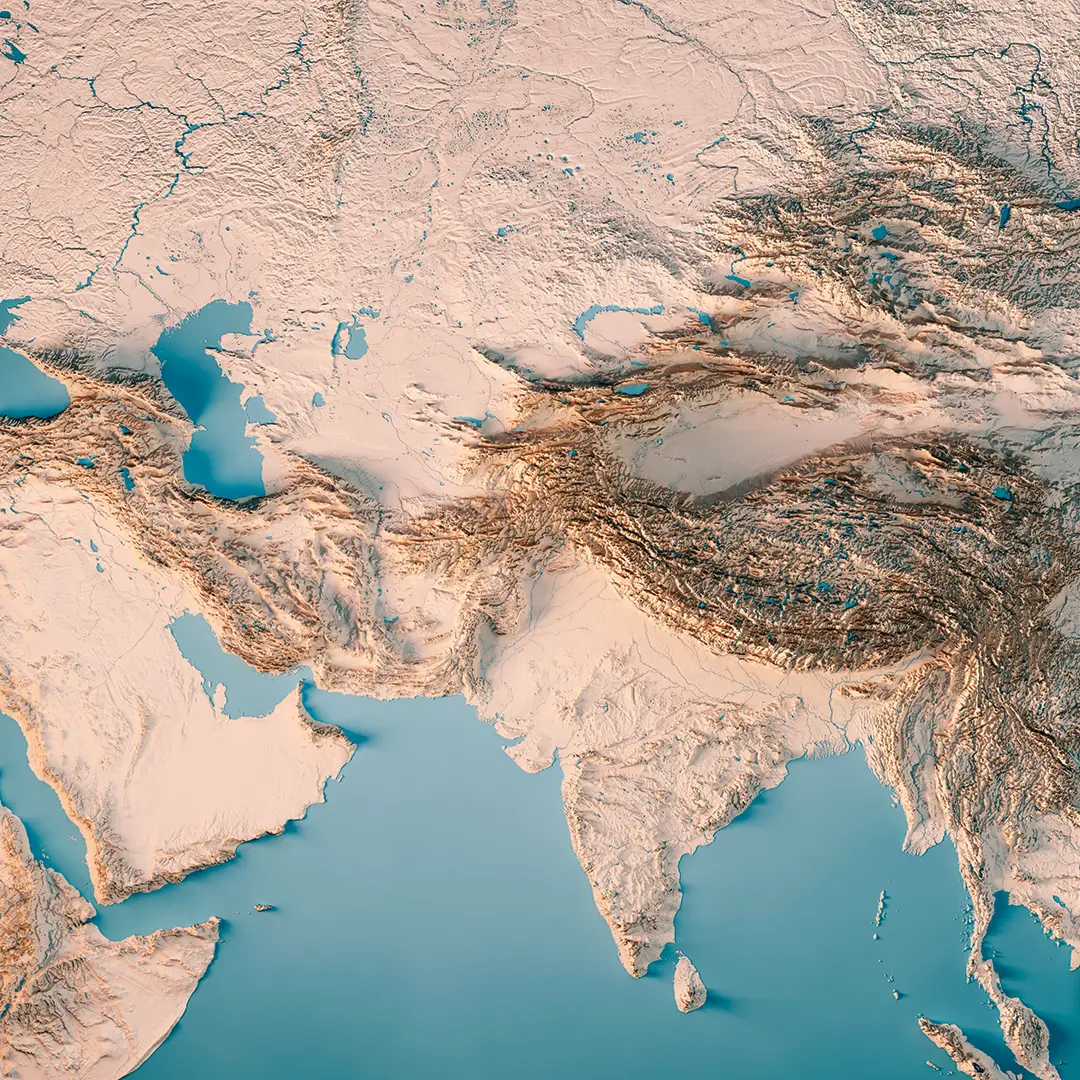
The Arabian Gulf region boasts abundant wealth and a strategic location linking East and West via vital global shipping lanes. However, successive conflicts within the region have caused instability that harms the wider region with repercussions for the global economy, food production and energy security. The presence of terrorist strongholds in remote areas directly threatens regional security. The Syrian civil war — which spilled into Lebanon and Iraq, inflicting immense suffering on people of the region — served as a prime example of this.
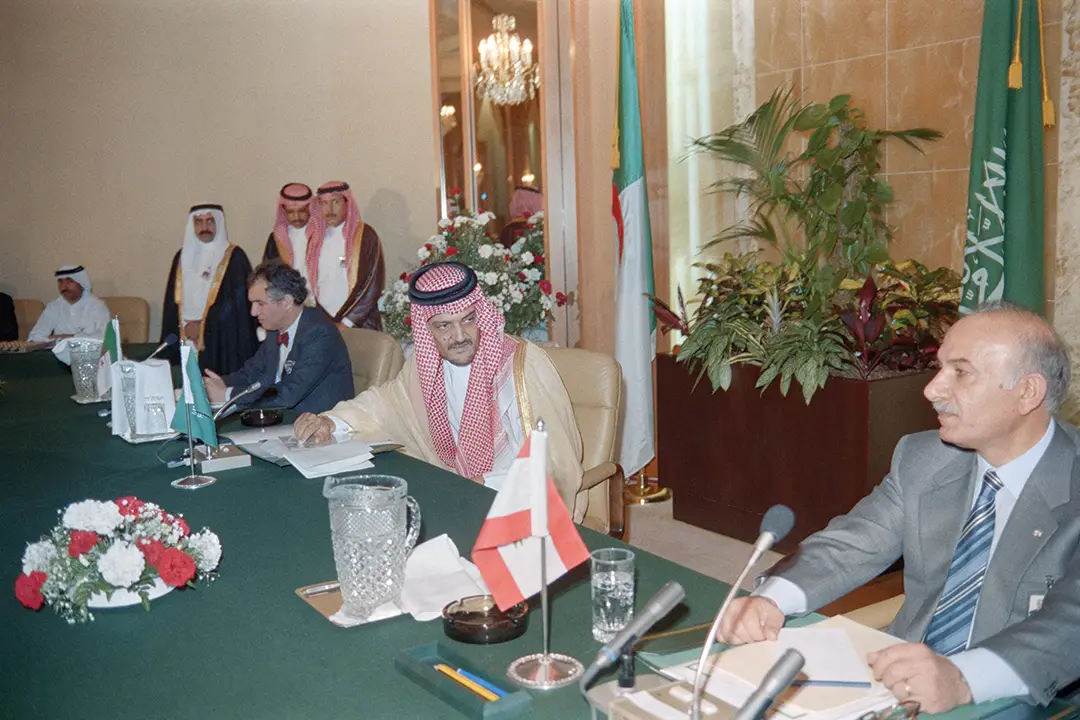
Despite these problems, the nations of the Arabian Gulf possess prudent governments and vast financial resources capable of elevating countries in the region to the ranks of developed nations. Europe’s post-World War II resurgence was no divine miracle; rather, it was the fruit of reduced tensions and mutual trust among neighboring states, all striving for collective peace and stability. The Gulf region experienced a period of stability and prosperity following the liberation of Kuwait in 1991 and the Taif Agreement in 1989, which ended the Lebanese civil war. Saudi Arabia played a pivotal role in bringing conflicting parties to the negotiating table to secure lasting peace, backed by generous Gulf funding to rebuild Lebanon and restore its status as the “Switzerland of the Middle East.”
Events in Iraq after 2003 demonstrated how a lack of trust among neighbors paved the way for a bloody civil war that nearly dragged the entire region into destructive sectarian conflict. Despite efforts to promote national reconciliation and the rule of law, Iraq remained unstable because of direct Iranian interference and support for armed factions. Iranian-backed groups grew increasingly powerful, extending their reach into Syria, Lebanon and Yemen, and ultimately threatening civil peace, regional security and the global economy.
Despite local opposition to their presence, terrorist militias attempt to grow in strength and dominance, seeking to acquire advanced weapons that threaten nations across the region and the world. The proliferation of these militias is largely driven by support from states with malicious intent, which exploit the dire economic conditions facing the targeted countries.
A regional agreement similar to the Taif Agreement is an essential step to reinforce regional peace and security. Such an accord must engage all nations in the region, grounded in good faith and mutual trust, to prevent a return to ruin and restore regional prosperity.
Iranian-aligned militia groups impose a heavy burden on their state sponsors. Vast oil revenues are squandered on supporting them rather than improving the living conditions of ordinary Iranian citizens. In Iraq, oil smuggling by armed factions amounts to stealing the livelihood of Iraqi citizens living below the poverty line, while warlords wallow in obscene wealth.
Iran must seriously reflect on its precarious situation and extend a hand of peace to the Gulf States. Together, the region can rise from the ashes of futile wars — just as Europe once did.