

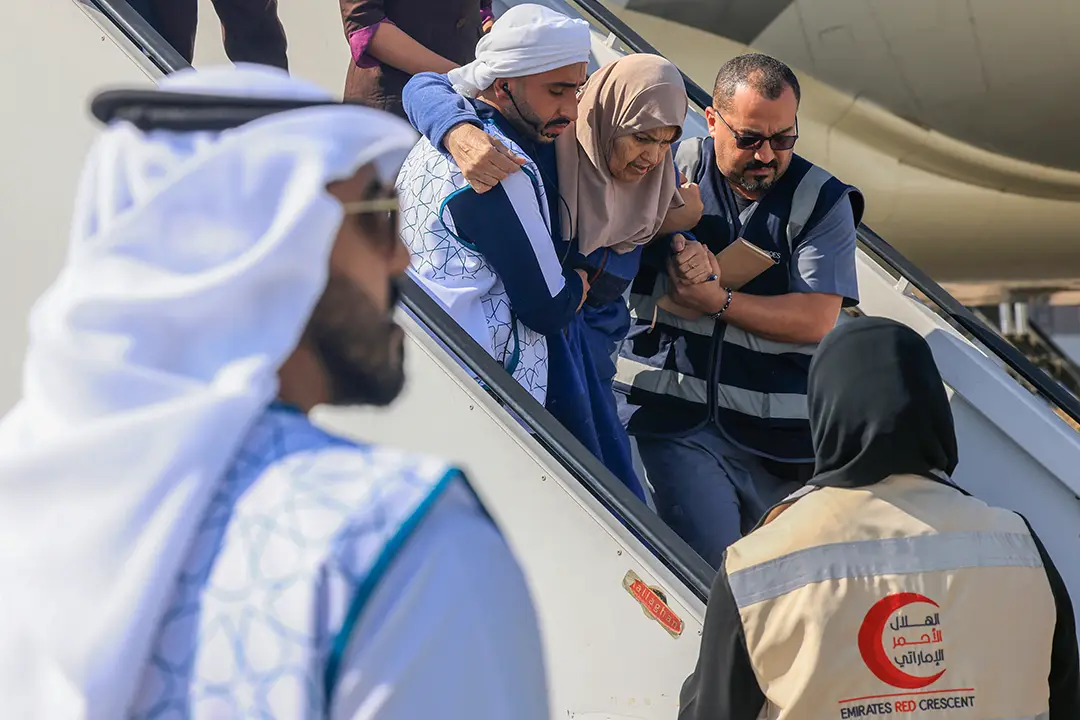
Humanitarian assistance and crisis response have been important pillars of the foreign policies of Arabian Gulf nations. In light of recent conflicts in the region, the world will continue to call upon the generosity of these countries to relieve suffering beyond their borders.
Arabian Gulf countries’ magnanimity isn’t limited to friendly nations. For example, Saudi Arabia and the United Arab Emirates donated 95 metric tons of food to Iranian victims of floods in the spring of 2019. Financial support from Gulf nations also supported Iranians victimized by an earthquake in 2003.
Although the extent of this generosity is too much to list, here are other examples of how Arabian Gulf countries have promoted reconciliation by investing in their neighbors.
United Arab Emirates: A humanitarian operation called Chivalrous Knight 3 has brought healing to millions of Gazans facing deprivation. Chivalrous Knight 3 has supplied 1,000 days of uninterrupted humanitarian assistance and accounts for about 46% of the total international aid that Gaza has received.
Through air, sea and land routes, the UAE has supplied Gazans with food, medicine and water. It has established bakeries, central kitchens and hospitals, rebuilt damaged infrastructure, installed water pipelines and desalination plants, and supported schools.
AFP/GETTY IMAGES
An earlier charitable mission called Chivalrous Knight 2, which lasted five months in 2023, provided medical treatment, medicine, food and shelter for earthquake victims in Syria and Türkiye.
The UAE prides itself on creating what it calls a “new model of humanitarian relief” — one that separates humanitarian assistance from political calculations and hidden agendas.
Saudi Arabia: The country’s King Salman Humanitarian Aid and Relief Centre has focused many of its efforts on helping Yemeni victims of the country’s long civil war. It has spent $4.8 billion on 1,219 projects focused on food, healthcare, education and public works. Another $1.1 billion was invested in Syria and Gaza to relieve hardship.
The Saudi Joint Forces Medical Support Center — whose main function is providing medical care to Saudi troops — has opened nine Yemeni hospitals staffed by 355 personnel from various medical specialties that provide humanitarian assistance to Yemenis across various regions. These hospitals and clinics treat tens of thousands of patients every month.
Qatar: Through its humanitarian arm called Qatar Charity, Qatar operates 30 field offices around the world that have directed aid to 22 million beneficiaries. One notable contribution is its support for a physical rehabilitation and prosthetic limb fitting project in Jordan that restores mobility and dexterity to child amputees from Gaza.
Also noteworthy was Qatar’s central role in helping evacuate vulnerable Afghans in September 2021, including students from a girls school facing persecution. As His Highness Emir Sheikh Tamin bin Hamad Al Thani said in a speech to the U.N.: “It was our humanitarian duty.”
AFP/GETTY IMAGES
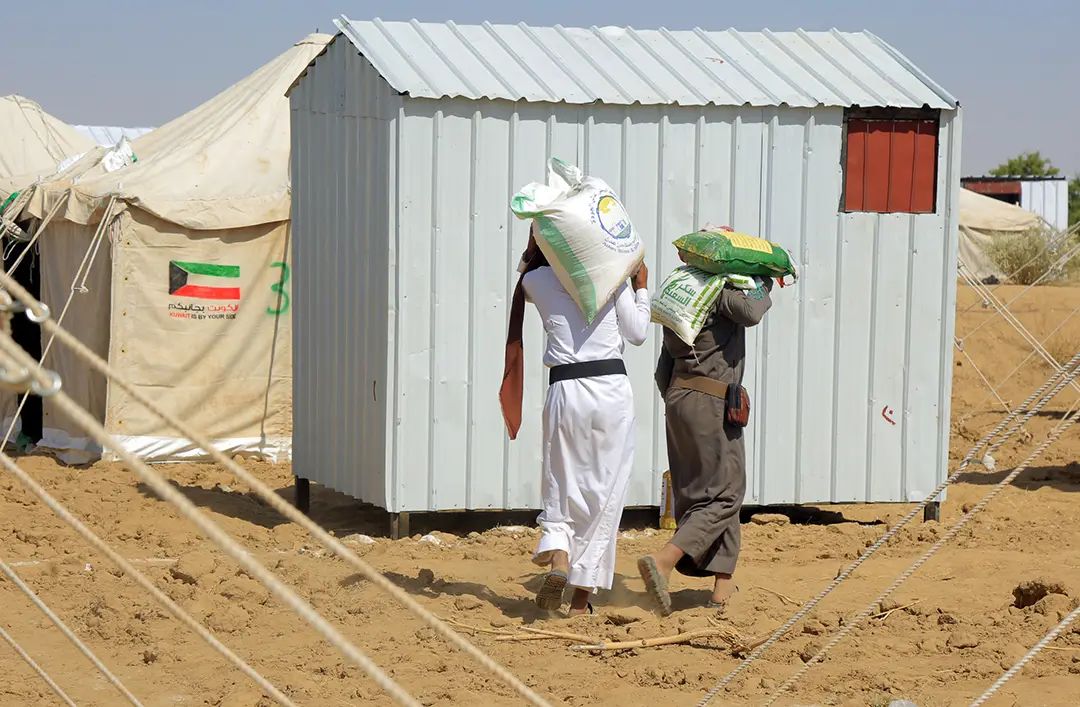
Kuwait: Kuwait’s well-developed charitable sector provides humanitarian aid such as food, shelter and medical infrastructure and equipment. It has focused on countries stressed by internal conflict such as Syria, Lebanon, Yemen and Somalia.
The Kuwait Times newspaper noted that Kuwaiti humanitarian agencies, with an eye toward the long-term resilience of vulnerable populations, are shifting focus from providing emergency relief to investing in sustainable development projects that will continue to provide benefits even after foreign aid workers have left.
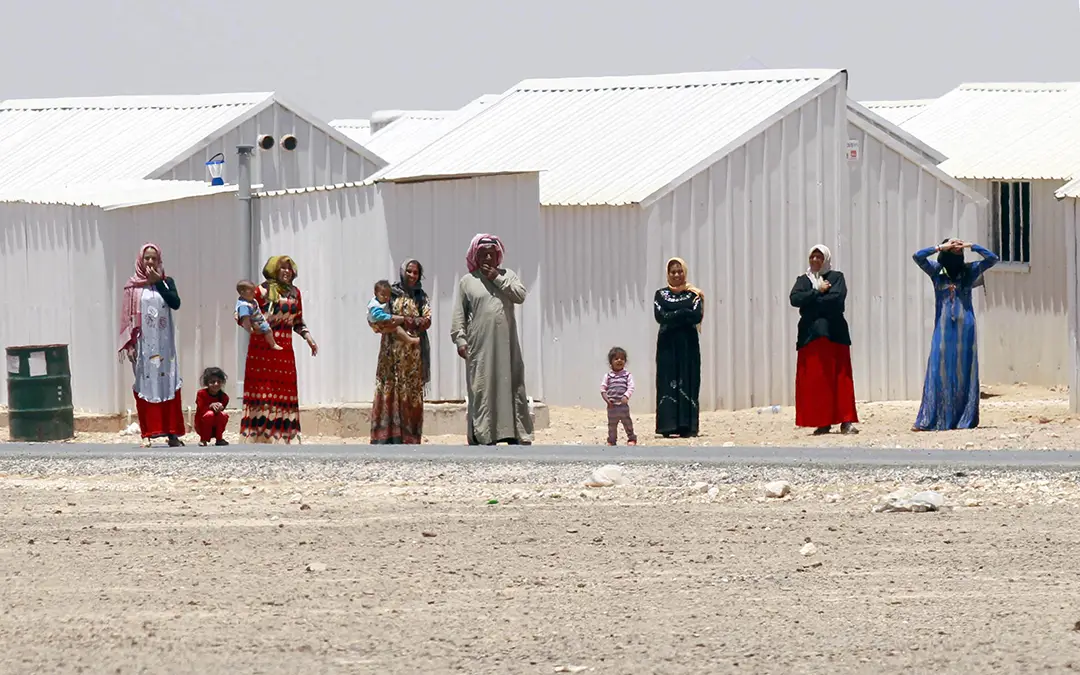
Bahrain: When the civil war in Syria triggered a refugee crisis that strained the resources of neighboring Jordan, Bahrain was among the chief partners to come to the aid of its brothers. Bahrain’s Royal Humanitarian Foundation stepped in to support 100,000 Syrian refugees living mostly in camps in Jordan.
In the Zaatari refugee camp, Bahrain built four schools that served more than 4,000 students, 500 residences to house 3,000 Syrian refugees and a field hospital. Azraq refugee camp received a housing complex totaling 1,000 units. In the city of Irbid near the Syrian border, Bahrainis paid for a school for girls.
Arabian Gulf nations are generous benefactors for less fortunate nations in the region, investing billions of dollars in resources and thousands of personnel to improve the lives of neighbors stricken by crises.