
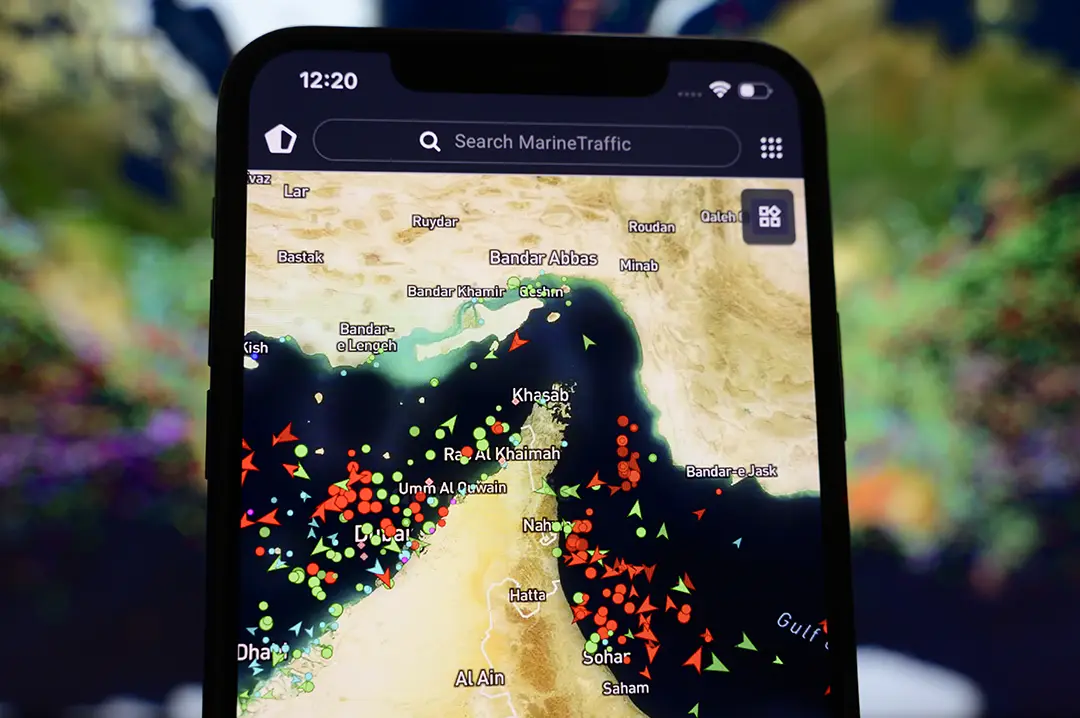
During much of 2026, Iran has attacked commercial vessels from a dozen nations in the Strait of Hormuz with missiles and drones. The militarization of the strait and any effort to extract a toll for safe navigation through it threatens the security and prosperity of the Middle East and the world. Iran does not have absolute sovereignty over the strait, and imposing a toll for its use violates international maritime law.
On August 8, 2026, Iran launched a missile attack on an unarmed commercial United Arab Emirates vessel transiting the Strait of Hormuz. The UAE immediately condemned the “hostile Iranian attack” and accused Tehran of “acts of piracy.” Iran has similarly attacked commercial vessels from Gibraltar, Japan, Liberia, Malta, the Marshall Islands, Panama and Thailand, asserting sovereign control over the strait.
In late March 2026, Iran demanded the United States recognize its sovereignty over the Strait of Hormuz. The Iranian parliament then approved a plan to impose tolls on ships passing through the waterway to enforce “Iran’s sovereign role” over the strait, through which one-fifth of the world’s oil and liquefied natural gas passes. Iran’s demand represents a fundamental misunderstanding — or deliberate misrepresentation — of international maritime law with potentially catastrophic implications.
The Strait of Hormuz is an international chokepoint, and the right of transit passage applies, permitting unimpeded surface, overflight and submerged transit. Imposing transit fees or tolls —no matter what they are called — violates the rules governing international straits under the United Nations Convention on the Law of the Sea (UNCLOS). More critically, if Iran successfully transforms an international waterway into territorial waters through coercion, it establishes a precedent for other nations to assert illegitimate control over critical maritime chokepoints, including the Bab el-Mandeb strait between Yemen and Djibouti.
Such unlawful and aggressive behavior must be publicly opposed because it risks undermining regional stability at the expense of global prosperity and security.
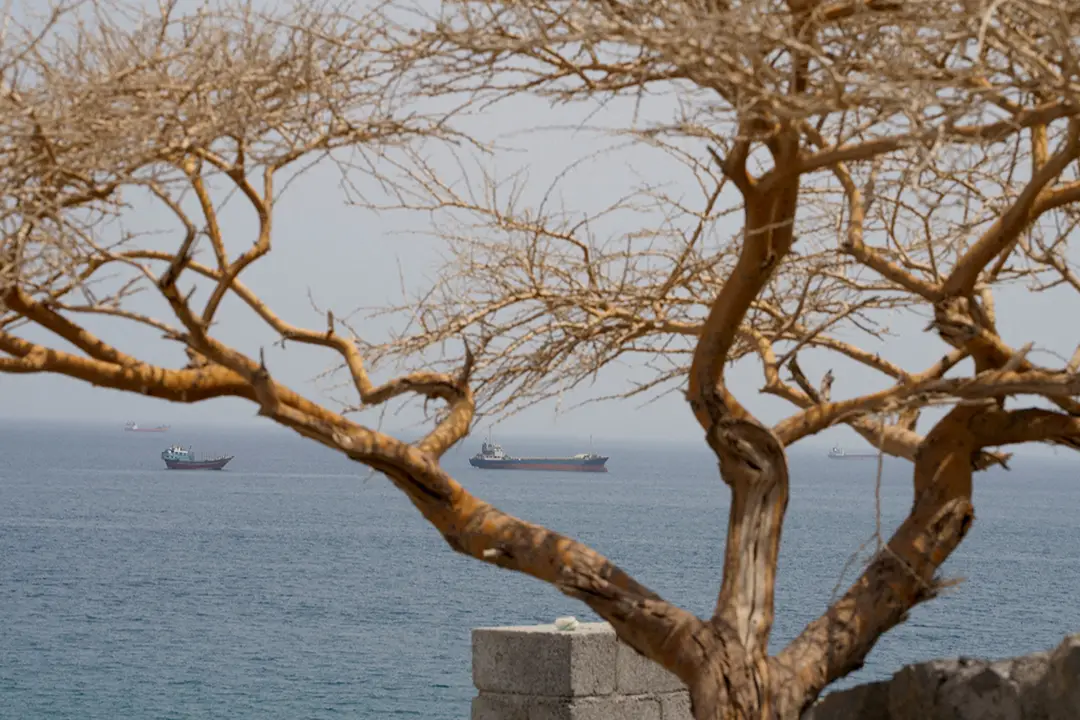
UNCLOS Part III, including Articles 34 through 45, establishes the international legal regime for straits used for international navigation. Article 37 defines the scope of Part III as applying to straits “used for international navigation between one part of the high seas or an exclusive economic zone and another part of the high seas or an exclusive economic zone.” UNCLOS Part III unquestionably applies to the Strait of Hormuz, which connects the Arabian Gulf to the Gulf of Oman and the Arabian Sea.
UNCLOS also establishes the right of transit passage in Article 38, which applies to “all ships and aircraft” and permits “continuous and expeditious” transit through international straits. This includes submerged transit for submarines and overflight for aircraft — rights that do not exist in ordinary territorial seas.
In Article 44, UNCLOS explicitly addresses the duties of states bordering international straits. Although coastal states may adopt regulations concerning safety of navigation and pollution prevention, they “shall not hamper transit passage.” Therefore, while Iran and Oman may create bilateral regulations for safety, neither may impede freedom of navigation through it. Further, UNCLOS does not authorize coastal states to claim sovereignty over a strait used for international navigation or to impose fees or tolls on vessels exercising the right of passage.
The Strait of Hormuz is about 24 nautical miles wide at its narrowest point between Iran and Oman. Both nations claim a 12-nautical-mile territorial sea, which means their territorial waters overlap in the strait’s narrowest section. Normally, this overlap would create a corridor of territorial sea subject to the more restrictive right of innocent passage. However, because the strait is used for international navigation between exclusive economic zones (EEZ), the transit passage protocol under UNCLOS Part III supersedes the innocent passage procedures.
In this case, Iran and Oman possess EEZs extending up to 200 nautical miles from their coasts, as permitted under UNCLOS. The strait connects these EEZs to the high seas and other EEZs, triggering the application of transit passage rights. This legal framework exists precisely to prevent coastal states from exploiting choke points to extract fees or impose unilateral restrictions on international navigation.
Iran’s proposed tolling system has no support in international law. Although Egypt charges fees for passage through the Suez Canal, that waterway is an artificial, government-constructed and government-maintained canal, not a natural strait. Denmark imposed transit fees through the Danish Straits but abolished those fees in 1857 following international protests.
Tehran’s demand for sovereign control over the strait is a gray-zone tactic to assert illegitimate control through incremental steps. By framing missile and drone attacks as “security arrangements” for its “preferred shipping routes” and framing tolls as “navigation safety” measures, Tehran attempts to disguise coercion by force as lawful regulation. Each acquiescence to, or tacit acceptance of, Tehran’s baseless claim of sovereignty risks legitimizing it as a fait accompli.
The transit passage protocol reflects customary international law binding on all states. UNCLOS is accepted internationally as customary international law. The International Court of Justice recognized in the 1949 Corfu Channel case that international straits are subject to special rules ensuring freedom of navigation. Further, the court has consistently held and affirmed that customary international law binds all states, including non-signatories. Therefore, Iran cannot escape the international right of transit passage by failing to ratify its 1992 signature of UNCLOS or supplant international law through a new Iranian-managed system of control. Instead, the international community must recognize Iran’s demand not as an isolated Middle Eastern issue but as a direct threat to the maritime order upon which regional prosperity and security depend.
Iran’s demand for sovereignty over the Strait of Hormuz is legally baseless. Recognition, acquiescence to tolling, or silence would undermine the freedom of navigation that underpins global commerce and security and invite replication. As U.S. Secretary of State Marco Rubio stated ahead of Iran’s push for tolls, such a system is “not only illegal, it’s unacceptable, it’s dangerous to the world.”
Upholding the transit passage protocol is essential to preserving a free, secure and prosperous Middle East and ensuring the free flow of commerce through the world’s critical maritime passages.