
Al Hodeidah is among the most strategically important governorates in the Republic of Yemen, given its direct access to the Red Sea and its proximity to the Bab el-Mandeb, one of the most important international maritime corridors. Its importance also lies in the fact that it is the main source of revenue for the Houthi terrorist militias, through proceeds from its ports — primarily the port of Al Hodeidah — and the import of food, petroleum products and commercial goods.
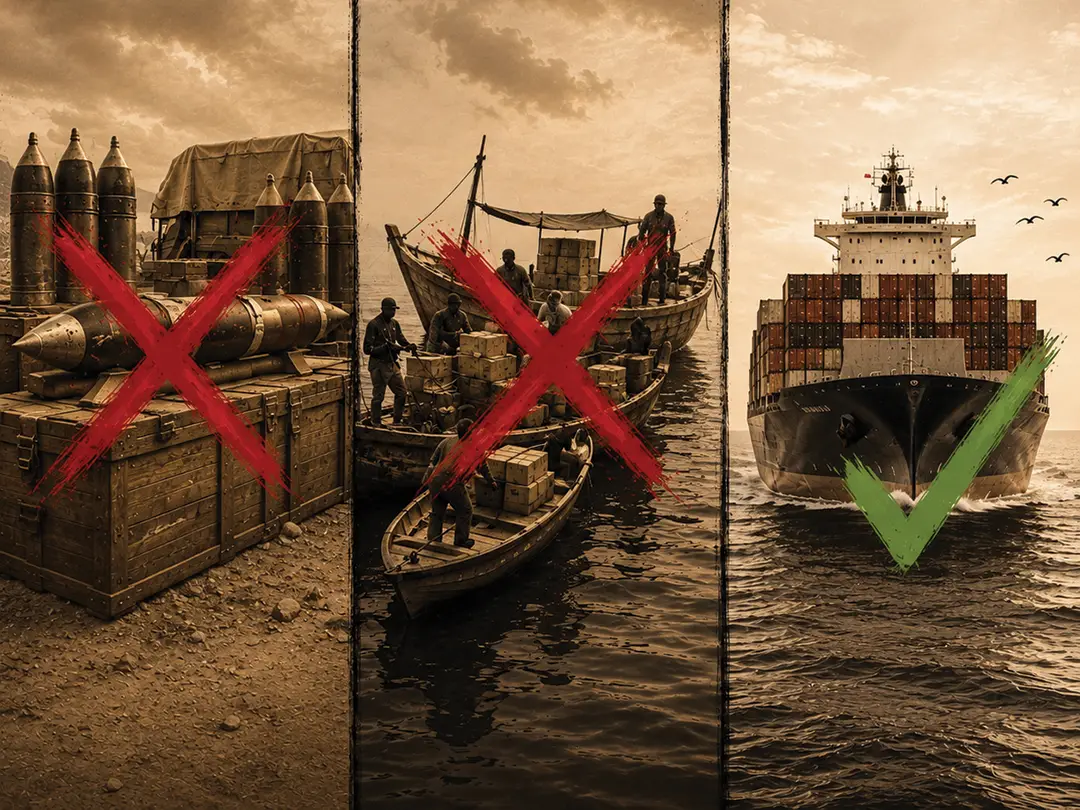
The Houthi terrorist militias have exploited the ports of Al Hodeidah, Ras Isa and Al Salif for illegal activities, including the smuggling of weapons and petroleum products, as well as engaging in suspect activities and maintaining ties with extremist elements in the Horn of Africa, such as Somalia. The Houthis also threaten the security and stability of international shipping lanes in the Bab el-Mandeb by targeting commercial vessels, equipping and launching bomb-laden boats, and laying sea mines off the coast of Al Hodeidah, in addition to indirectly coordinating with pirate networks whose activities extend through the Gulf of Aden to the Arabian Sea and Indian Ocean.
These activities disrupt security at the Yemeni, regional and international levels, particularly given that approximately 17% of the world’s energy supplies pass through the Bab el-Mandeb. Deteriorating security also leads to higher shipping and marine insurance costs, contributing to rising prices for basic commodities in Yemen and exacerbating the suffering of its people.
Based on these factors, the Yemeni government and its international partners should work together to launch a coordinated military operation, led by Yemen’s National Army with the support of national forces, and backed by logistical and intelligence support from international partners. The aim would be regaining control of Al Hodeidah governorate. This initiative could achieve a number of strategic objectives, most notably:
Cutting off the Houthi militias’ main supply lines, which have contributed to their continued survival. Curtailing arms smuggling to the militias through the ports of Al Hodeidah.
Ensuring the safety of international shipping in the Bab el- Mandeb. The governorate provides a crucial base for intelligence gathering and logistical support to defend this commercial corridor.
Regaining control of strategic islands, such as Kamran Island, which Houthi militias use to launch bomb-laden boats and lay sea mines.
Weakening the military and financial capabilities of the Houthis, helping to accelerate the recapture of the remaining areas under their control, including the capital Sanaa.
Weakening the Houthis’ popular base in the Tihama region.
We believe this operation could be successfully implemented quickly and efficiently with minimal losses. The province’s coastal geography facilitates the movement of friendly forces and exposes enemy movements, making them easy targets from the air. With the aid of land and sea routes, the coalition could resupply friendly forces from liberated areas, particularly Aden.
International partners, foremost among them our strategic ally, the United States of America, represented by U.S. Central Command and the 5th Fleet, have played a positive and effective role in combating arms and drug trafficking within the scope of their operations, which extend from the Suez Canal and the Red Sea, through the Gulf of Aden, to the Arabian Sea and the Indian Ocean.
We recall the success of Operation Prosperity Guardian, carried out by U.S. Central Command to weaken Houthi militias and secure freedom of international navigation, particularly in the Bab el-Mandeb.
The recapture of Al Hodeidah governorate represents an important next step toward restoring stability to Yemen, securing one of the world’s busiest maritime corridors and strengthening regional and international security.
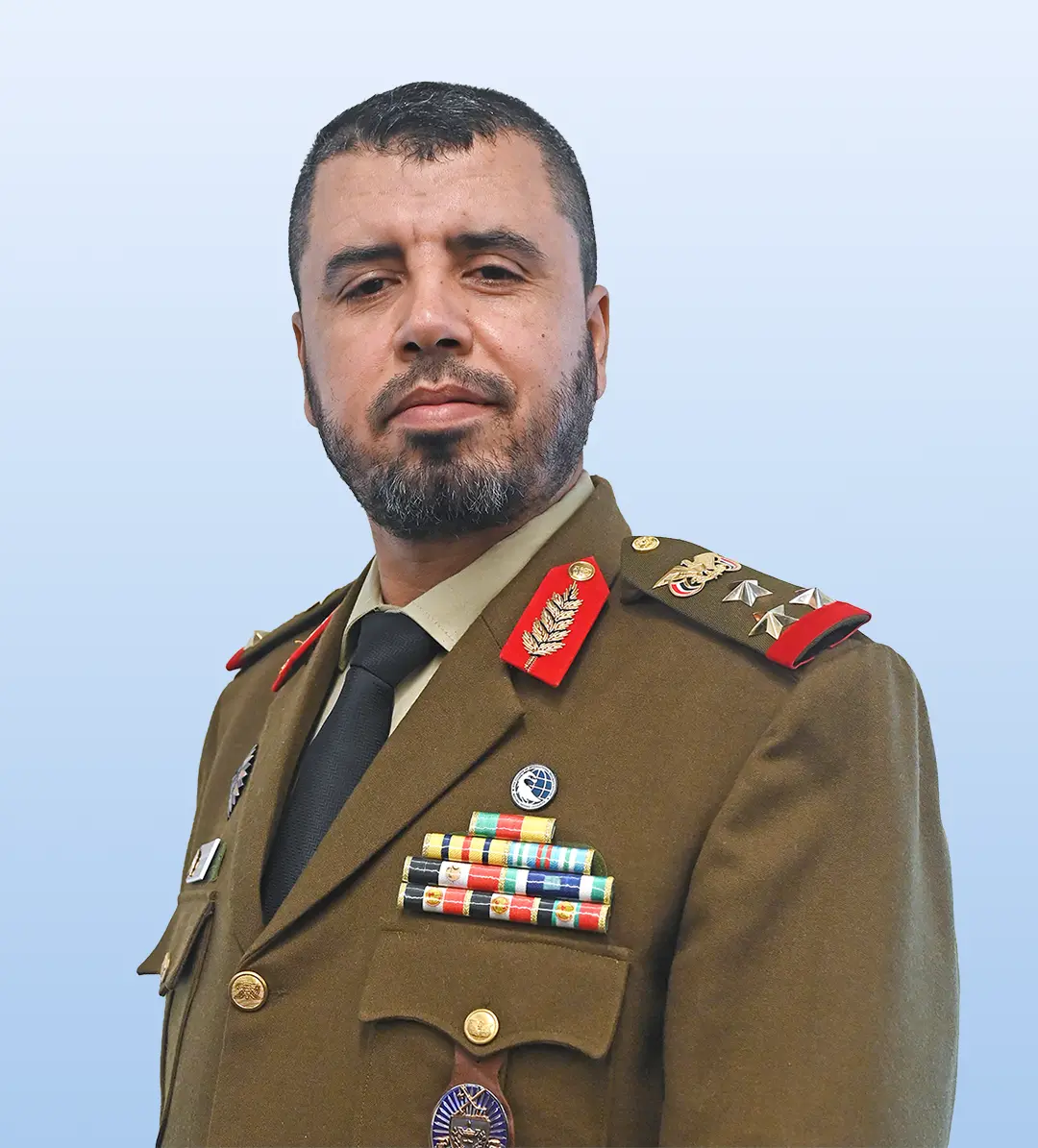
ABOUT THE AUTHOR: Brig. Gen. Khalid Ali Al Sadah, Yemen’s defense attache to the U.S. since January 2025, is a 30-year veteran of the Yemeni Armed Forces. Other senior positions have included Advisor the Minister of Defense, Chairman of Intelligence and Reconnaissance Authority Operations and Chief of Military Staff to the U.N. Panel of Experts.