

Central Asia and the Arabian Gulf countries share not just cultural ties but also a common interest in ensuring the security and prosperity of their respective regions.
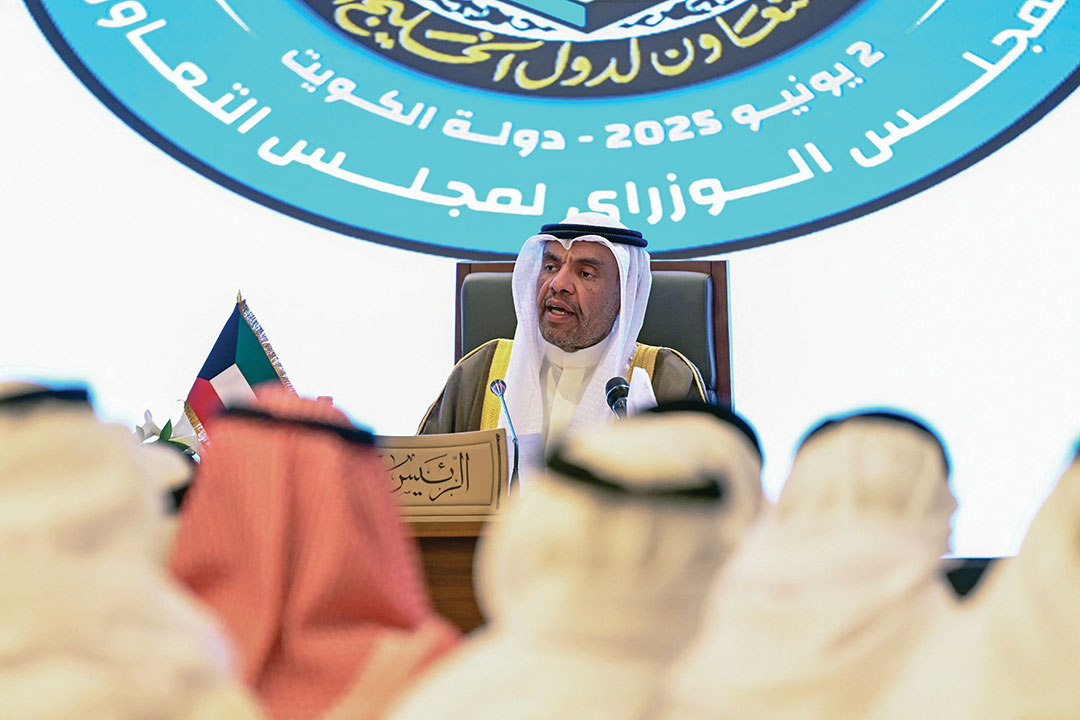
The foreign ministers of Central Asian countries and Gulf Cooperation Council (GCC) member states met in Kuwait in April 2025 for a third in a series of engagements to deepen their strategic relationship.
The host, Kuwaiti Foreign Minister Abdullah Ali Al-Yahya, described the gathering as a turning point in deepening cooperation based on mutual respect and shared goals and interests.
Summit participants discussed a broad range of cross-regional issues and opportunities of mutual interest, while also advancing relations among various countries.
The foreign ministers focused on expanding cooperation across multiple sectors, including political dialogue, regional security, economic and trade cooperation, encouragement of investment, development of transportation infrastructure and environmental sustainability. Other key topics included food and water security, digital infrastructure, and artificial intelligence, with the aim of advancing stability and sustainable development.
They also touched on geopolitical developments, including the situation in Afghanistan and ongoing tensions in the Middle East and the historical, cultural and growing human links between Central Asia and the GCC.

History, Culture, Connection
The relationship between Central Asia and the Arabian Peninsula goes back more than two millennia and has endured several important changes. The Silk Road, established in the second century BCE, initially fostered strong trade ties between the regions. Central Asia played a key role as a trading hub, where goods such as Chinese silk and paper from Samarkand (in modern-day Uzbekistan) were swapped for Arabian incense and jewelry.
The spread of Islam in the eigth century added a spiritual and intellectual layer to these connections. Cities like Samarkand and Bukhara became major centers of Islamic scholarship, producing foundational thinkers such as Mohammed al-Bukhari, Mohammed ibn Musa al-Khwarizmi and Avicenna.
However, ties weakened in the 16th century as a result of geopolitical shifts and the rise of maritime trade. In the 20th century, the Soviet occupation and isolation of Central Asia further distanced the two regions. After the modern Central Asian countries gained independence from the Soviet Union in 1991, a new chapter began.
Ties between the two regions have grown in four stages, beginning in the 1990s with the establishment of diplomatic relations. By the 2000s, cooperation expanded into trade, investment and treaties. The 2010s saw cooperation extend to security and multilateral forums. And since 2021, the partnership has become more structured, driven by shared economic interests, growing political dialogue and cultural ties.
Key milestones, such as the 2014 ministerial meeting in Riyadh, Saudi Arabia, the 2017 Samarkand Consensus and the 2023 Jeddah, Saudi Arabia, summit between GCC and Central Asian leaders, have created what promises to be a more formal and lasting partnership.
The Central Asia-GCC summit in Tashkent, Uzbekistan, in 2024 solidified regional security and economic and energy cooperation, and positioned Central Asia, particularly Uzbekistan, as an important hub for trade and strategic partnership with the Gulf countries.
The April 2025 meeting in Kuwait provided a platform to review progress and chart the future of the evolving partnership. A second high-level Central Asia–GCC summit is planned for Samarkand.
Security Cooperation
The GCC-Central Asia Joint Action Plan (2023-2027) emphasizes coordinated efforts on regional security. Adopted during the 2024 meeting in Tashkent, it calls for regular meetings, joint workshops and intelligence sharing to counter radicalization, terrorism, violent extremism and cross-border crime. Discussions have progressed toward forming permanent consultations between national security agencies.
This partnership was reinforced at the most recent ministerial meeting in Kuwait, where participants highlighted the need for joint action to combat violent extremism and terrorism. This alignment is part of a broader shift in regional thinking. In August 2024, Kazakhstan President Kassym-Jomart Tokayev called for a new regional security framework, echoing the GCC’s approach to collective defense rooted in avoidance of geopolitical polarization and division.
At the April 2025 meeting, Kuwaiti Foreign Minister Al-Yahya stressed the importance of consultation and coordination in tackling common challenges, particularly in fighting terrorism, cyber threats and financing of extremist groups. He also praised the GCC Secretariat for its efforts in developing joint action mechanisms, noting that security and stability remain central pillars of cooperation between the regions.
The April meeting builds upon the momentum from the earlier High-Level Conference on “Strengthening International Counter-Terrorism Cooperation and Building Agile Border Security Mechanisms – The Kuwait Phase” of the Dushanbe Process, which Kuwait hosted in November 2024.
Launched by Tajikistan and the United Nations Office of Counter-Terrorism in September 2018, the Dushanbe Process is a continuing series of high-level meetings meant to help countries, particularly in Central Asia and the Gulf, work together to combat terrorism, improve border security, and respond to cyberattacks and extremist financing.
With a broad focus on intelligence sharing and tightening border security on land, sea and air, the conference served as a vital platform for improving regional counterterrorism efforts. The organizers paid particular attention to improving the use of surveillance technologies and tackling terrorism financing.
The conference reflects the growing alignment between GCC and Central Asian countries on shared security challenges and the need for a more united interregional response. The next Samarkand summit is expected to further deepen this strategic partnership.
Economic Partnership
Middle Eastern businesspeople are scouting investments in Central Asia, seizing opportunities created by the region’s desire to reduce economic dependence on China and Russia. Gulf countries are positioning themselves as new strategic partners. The interest is mutual. Central Asian governments want reliable investors with minimal geopolitical baggage. Uzbekistan, for example, has attracted over $34 billion in investment from Saudi Arabia and Türkiye, and is actively seeking green energy partners in Gulf countries.
Stronger relations between Central Asia and the GCC are reflected in rapidly growing economic and social ties. GCC investments in Central Asia have nearly tripled since 2022. The Islamic Development Bank has invested $9.1 billion in the Commonwealth of Independent States, and 60% of that amount has gone to Central Asia. Tourism from Gulf countries to Central Asia, especially from Saudi Arabia and the United Arab Emirates (UAE), is also on the rise.
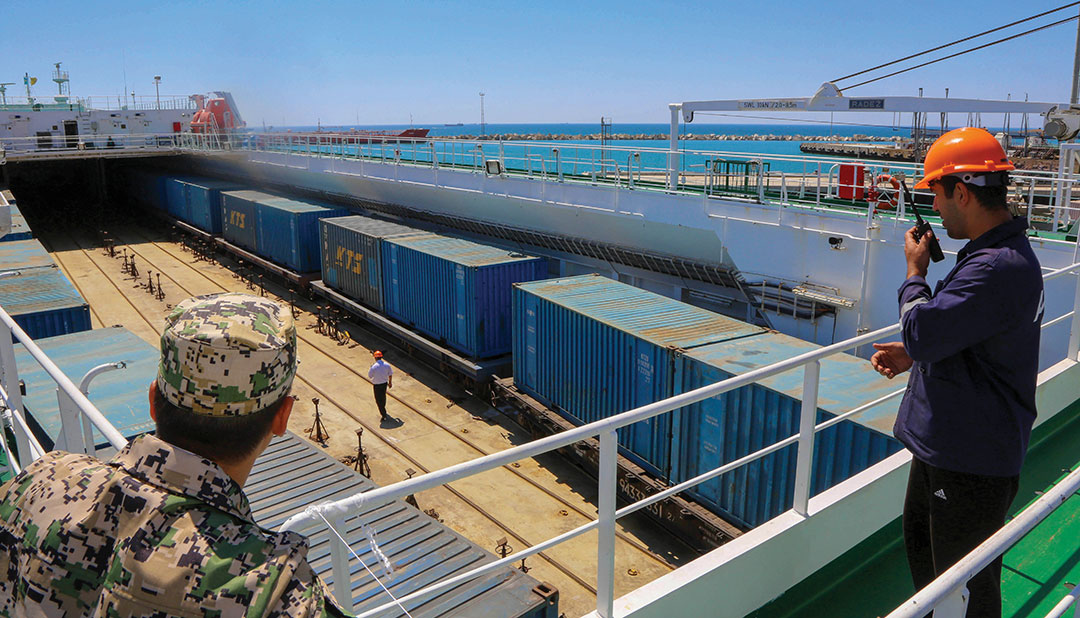
The new wave of cooperation comes with big advantages for both sides. For Central Asia, it is a chance to build a more resilient economy. For Gulf countries, it is a way to grow their influence and profits without getting caught up in what they view as big power rivalries. Gulf states are motivated by a dual purpose: diversifying their hydrocarbon-based economies and investing in the Trans-Caspian International Transport Route connecting Asia to Europe via the Caspian Sea and the Caucasus, which they view as faster and more efficient than traditional transit routes.
Saudi ministers have visited the Kyrgyz Republic and Kazakhstan, signaling a deeper commitment to the region. In 2024, Saudi Arabia pledged $20 billion from the Saudi Fund for Development toward major infrastructure projects in both countries.
Meanwhile, Masdar and other Emirati firms are advancing major renewable energy projects across the Kyrgyz Republic and Uzbekistan. First Abu Dhabi Bank has become a key financier for Uzbekistan’s Zarafshan Wind Power Project, a 500-megawatt facility that represents the largest renewable energy project in Central Asia. In Kazakhstan, the UAE’s AD Ports Group operates several oil tankers in the Caspian Sea through a joint venture with the Kazakh state transport company. In 2024, AD Ports pledged to help Kazakhstan expand its maritime fleet and develop coastal infrastructure. The massive financial influx from Saudi Arabia and the UAE into Central Asia will support projects not only in infrastructure and energy, but also in IT and agriculture.
Qatar is steadily increasing its financial footprint as well. In 2024, the Qatari Lesha Bank acquired Kazakhstan’s Bereke Bank JSC for $134 million, marking the first full acquisition of a Central Asian bank by a Gulf investor. The Qatar Fund for Development allocated $50 million to Tajikistan for the Rogun Hydropower Plant, adding to previous investments in the project from Saudis, Emiratis and Kuwaitis.
The Kyrgyz Republic’s growing ties with Oman further reflect expanding cooperation. In February 2025, their foreign ministers met to find new opportunities in trade, investment and tourism. To formalize the relationship, the Kyrgyz Republic proposed creating an intergovernmental commission and a joint business council. Kyrgyz Foreign Minister Jeenbek Kulubaev also invited Oman to participate in the upcoming Central Asia-GCC Investment Forum and the 2027 Global Mountain Summit. Both platforms highlight economic goals and shared strategic interests.
The meeting between Kyrgyz and Omani officials concluded with the signing of a memorandum on political consultations, signaling a commitment to sustained dialogue. Oman’s support for the Kyrgyz Republic’s U.N. Security Council bid and its interest in greater bilateral cooperation highlight the broader trend of GCC states seeking more active roles in Central Asia.
While trade between Central Asia and the GCC is relatively modest at $4 billion annually, opportunities for expansion are rife. However, increased trade will depend on improved transportation and logistics infrastructure connecting the two regions.
Realizing the importance of transportation, Uzbekistan President Shavkat Mirziyoyev proposed the implementation of the Trans-Afghan Railway Project at the Jeddah summit in 2023, which, according to estimates, could cut transport time 30-40% and logistics costs 15-20%.
Furthermore, GCC countries expressed openness to support major transportation routes, such as the China-Kyrgyzstan-Uzbekistan and Uzbekistan-Afghanistan-Pakistan railways. These projects would improve Central Asia’s access to global markets.
With sustained follow-through on infrastructure and investment commitments, Central Asia-GCC cooperation could shift from scattered deals to a lasting and more robust regional partnership. However, what is taking shape is more than trade. It is a framework for long-term political and strategic alignment and regional stability. The next Samarkand summit will further intensify Central Asia-GCC ties.
Central Asia’s Strategic Pivot
To reduce dependence on China and Russia, Central Asian states are also strengthening ties with the South Caucasus. Most recently, Central Asian countries included Azerbaijan as a full participant in the Seventh Consultative Meeting of Central Asian Heads of State in Tashkent.
Central Asian leaders agreed to change their consultative forum into a formal strategic group called “The Community of Central Asia,” with plans for permanent institutions, a rotating secretariat, and stronger diplomatic coordination. This creates what officials describe as a “new geopolitical and geoeconomic region” capable of promoting broader stability.
Meanwhile, the U.S. is also expanding engagement with Central Asia through the C5+1 format. The November 2025 Washington summit, marking the format’s 10th anniversary, focused on critical minerals. Central Asia holds an estimated 25 of the 54 minerals identified as critical by the U.S. government, including 43% of the world’s uranium from Kazakhstan alone. The summit yielded concrete deals, including a $4.2 billion agreement between Kazakhstan and U.S. rail manufacturer Wabtec to upgrade the country’s locomotive fleet, and memoranda on critical minerals cooperation.
Taken together, these expanding partnerships with Arab states, Azerbaijan, and the U.S. underscore a broader strategic shift in Central Asia’s foreign policy. Regional governments are increasingly asserting a course less reliant on Soviet-era entanglements. This new course offers greater economic resilience, security and geopolitical flexibility.