

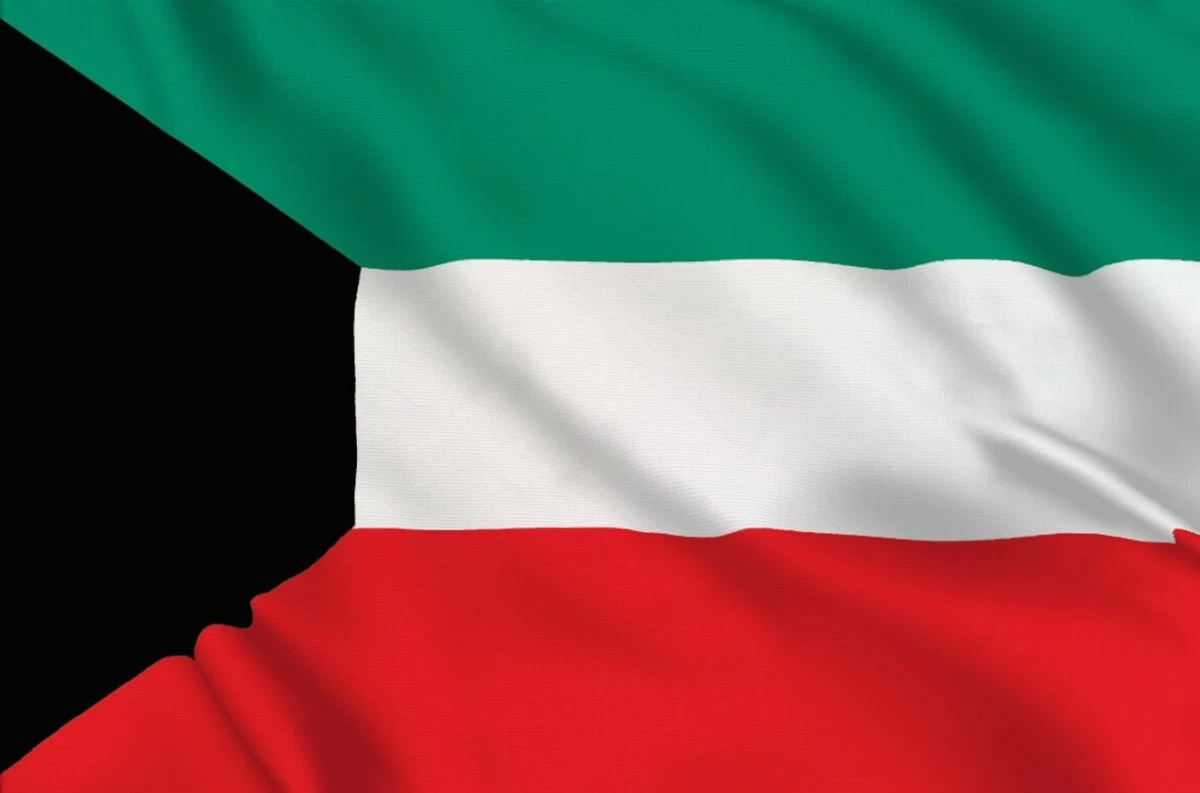
With the help of partner countries, Kuwait has been rebuilding its armed forces since regaining sovereignty and independence in February 1991.
The United States has been a top partner of Kuwait, a major non-NATO ally. For example, in June 2025, the U.S. State Department approved a possible foreign military sale (FMS) to the government of Kuwait of the M1A2 Abrams Main Battle Tank System Sustainment Support and related equipment. The purchase amounts to $325 million, including spare parts and repair kits.
The FMS program has generated $28 billion in ongoing sales between the U.S. and Kuwait, promising to improve Kuwait’s ability to defend its borders, combat terrorism and promote regional security and stability.
Also, to keep abreast of evolving security challenges in the region, Kuwaiti leadership has sought to diversify its armament suppliers. In 2016, it signed a procurement contract valued at $8.7 billion with Leonardo of Italy for 28 Eurofighter Typhoon jets. As of July 2025, Kuwait’s Air Force has received 15 of the 28 aircraft.
Once Kuwait receives their new Typhoons and U.S.-built F/A-18 Super Hornets, they plan to divest and sell a significant percentage of their legacy F/A-18 Hornet fleet.
The Kuwaiti Armed Forces underwent a major rebuilding process after its 1991 liberation by a U.S.-led international coalition. Kuwaiti military leaders developed a comprehensive, long-term military restructuring plan. Reflecting on the lessons of the occupation and liberation, the plan included increased recruitment and training and modernization of equipment.
Sources: CNBC, U.S. State Department, alert5.com, turdef.com, overtdefense.com