
Close Menu
Unipath
    Facebook X (Twitter) Instagram
    Facebook X (Twitter) Instagram
    Unipath
    • English
      • Русский(Russian)
      • العربية(Arabic)
      • Kurdish
    Subscribe
    • Home
    • Features

      Steadfast on the Seas

      April 24, 2026

      Iraq’s Soft-power Approach to Countering Violent Extremism

      April 24, 2026

      Tightening Border Control

      April 23, 2026

      The Effectiveness of Military Confrontation in Defeating Terrorism

      April 23, 2026

      Overseeing the Police

      April 23, 2026
    • Departments
      1. Senior Leader Profile
      2. Around the Region
      3. Key Leader’s Message
      4. View All

      A Protector of Ports

      March 5, 2026

      Building a Professional Naval Force

      December 31, 2025

      Professionalism in the Service of Counter-Terrorism

      August 11, 2025

      A Special Soldier to Command Special Forces

      April 9, 2025

      Iraq Champions Diplomacy To Resolve Conflict

      April 23, 2026

      Kazakhstan, U.S. Reinforce Relationship

      April 23, 2026

      Egyptian Security Forces Raid Terrorist Hideout

      April 23, 2026

      Ak Shumkar Exercise Strengthens Kyrgyz-U.S. Partnership

      April 23, 2026

      Key Leader’s Message

      March 25, 2026

      Key Leader’s Message

      January 2, 2026

      Key Leader’s Message

      August 15, 2025

      Key Leader’s Message

      April 11, 2025

      Iraq Champions Diplomacy To Resolve Conflict

      April 23, 2026

      Kazakhstan, U.S. Reinforce Relationship

      April 23, 2026

      Egyptian Security Forces Raid Terrorist Hideout

      April 23, 2026

      Ak Shumkar Exercise Strengthens Kyrgyz-U.S. Partnership

      April 23, 2026
    • About Unipath
      • About Us
      • Subscribe
      • Contact
    • Contribute
    • Archive
    • English
      • Русский(Russian)
      • العربية(Arabic)
      • Kurdish
    Unipath
    Home » Peaceful Change Through Political Leadership
    Features

    Peaceful Change Through Political Leadership

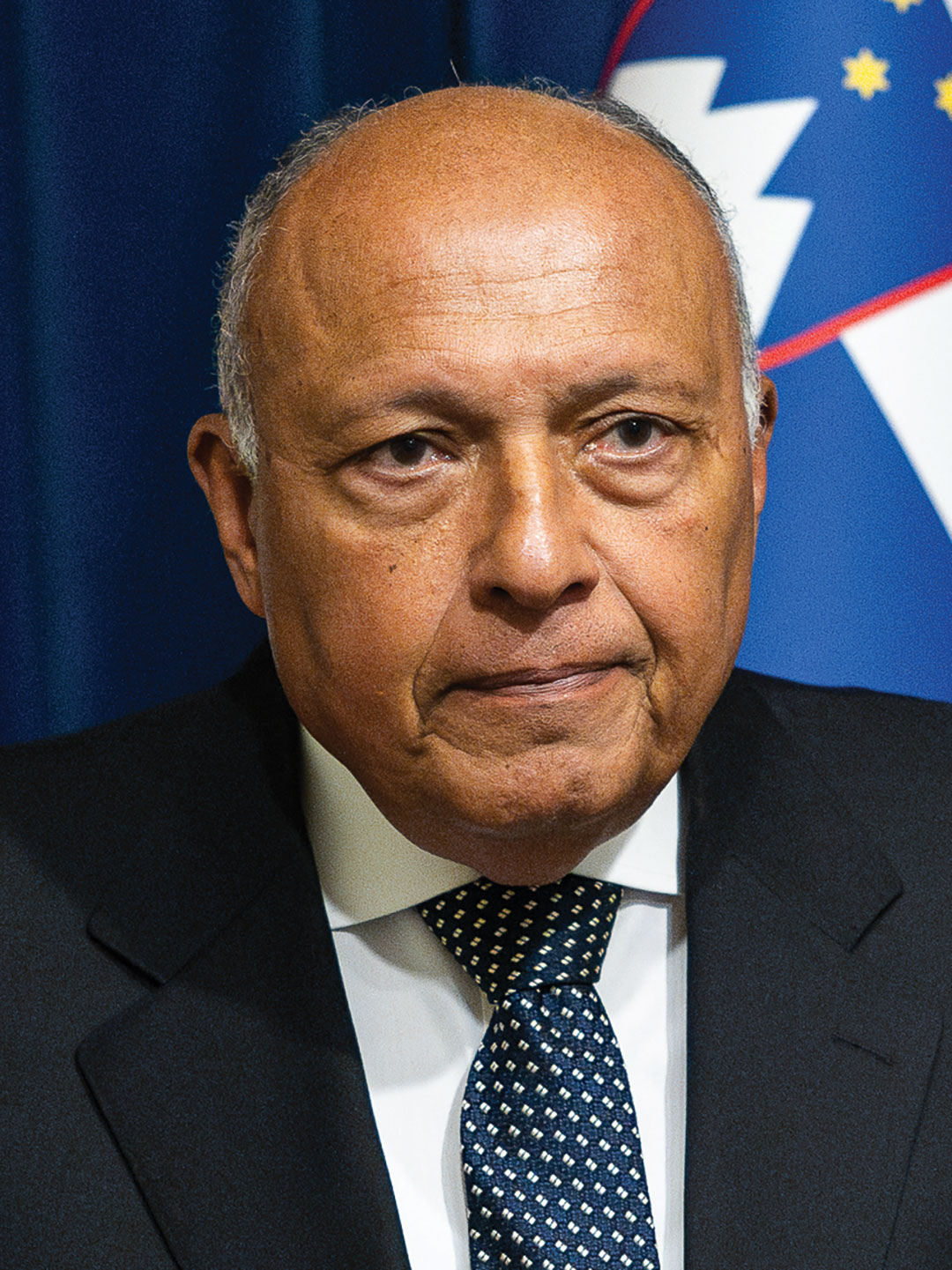
    Sameh Shoukry, Former Minister Of Foreign Affairs, EgyptBy Sameh Shoukry, Former Minister Of Foreign Affairs, EgyptAugust 11, 2025Updated:August 18, 202503 Mins Read
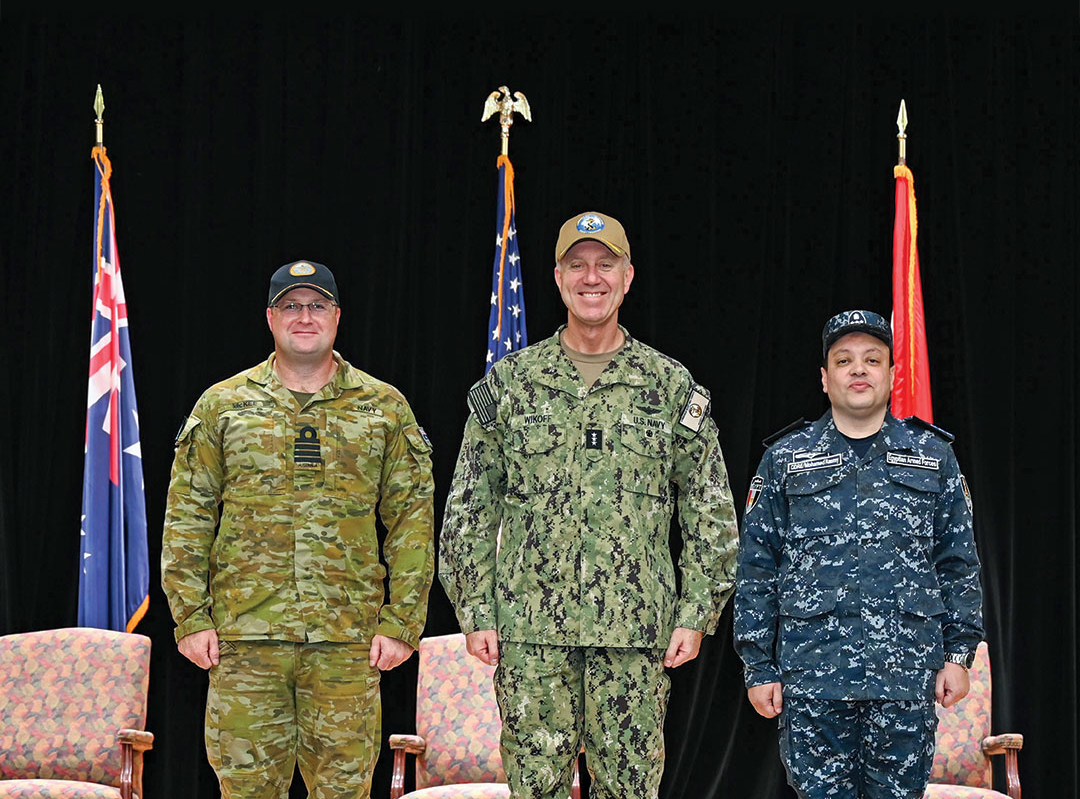
    An Egyptian commander, right, assumes command of multinational Combined Task Force 153 in April 2025. Egypt has supported cooperative security arrangements to reduce tensions in the region. PETTY OFFICE 2ND CLASS NAOMI JOHNSON/U.S. NAVY
    Share
    Facebook Twitter Telegram WhatsApp Copy Link

    Over the last seven to eight decades, this region has been fraught with challenges and conflicts. We all have sought to find resolution through initiatives aimed at settling disputes and conflicts mainly through diplomacy.

    What has been lacking in these initiatives is the political will to implement them, to actually take steps to put them in motion and to extract from negotiating parties the necessary degree of flexibility and accommodation that results in implementation.

    I have to say that it is somewhat discouraging that on many occasions, some of these initiatives have been long-standing and have, in a way, provided a mirage of a potential resolution. They have offered opportunities for intransigence and maintaining the status quo rather than resolution of conflicts based on those initiatives. 

    These initiatives have originated at the national level by influential states or at the institutional level by organizations such as the United Nations, Arab League or European Union. On many occasions, these initiatives have been confoundingly ineffective. 

    I think the issue returns to whether political will exists to embark upon implementation or enforcement. There are international players that have the ability, the resources and resourcefulness to influence the situation and extract the necessary flexibility and accommodation.

    However, it all circles back to political will and the ability of those who are promoting those initiatives to pursue enforcement. This is true of the Gaza conflict, to which a political solution remains elusive. 

    I think the same exists in other conflicts, such as in Libya, where initiatives endorsed by the U.N. Security Council and the secretary-general’s representative have been unable to achieve consensus to provide for an inter-Libyan dialogue. 

    A resolution of political differences among various participants of the conflict in Libya — to find a common ground in the best interests of the Libyan people — continues to elude the efforts of regional and international negotiators.

    It is because of the nature and intransigence of conflicts of the region that a variety of initiatives, whether internationally or regionally based, have suffered from lack of political will on the side of the initiators or the parties to the conflicts.

    We security professionals, dealing day to day with conflict resolution, can only continue to advocate for the principle of peaceful resolution of conflicts and seek initiatives that not only garner the support of the international community but more importantly also can actually be implemented. 

    Implementation will come through the influence of those who sponsor peaceful initiatives or by the acquiescence of the participants of a conflict.  

    Share. Facebook Twitter Pinterest LinkedIn Tumblr Email
    Previous ArticleGreater Cooperation Means Greater Security
    Next Article Confronting the Threat of Bioterrorism

    Related Posts

    Steadfast on the Seas

    April 24, 2026

    Iraq’s Soft-power Approach to Countering Violent Extremism

    April 24, 2026

    Tightening Border Control

    April 23, 2026

    Comments are closed.

    PEACE AND RECONCILIATION | VOLUME 13, NUMBER 4 WINTER 2026

    Subscribe Today

    Subscribe to our mailing list to get the latest edition of Unipath.

    Unipath
    Facebook X (Twitter) Instagram
    © 2026 Unipath. All Rights Reserved.

    Type above and press Enter to search. Press Esc to cancel.