

The Kyrgyz Republic is increasing security cooperation with regional and international partners. Given the country’s strategic location between Asia and Europe, the Kyrgyz government seeks a diverse array of security partnerships, reflecting its balanced approach to international relations.
Kyrgyz security agencies regularly engage with the United Nations Office of Counter-Terrorism (UNOCT), primarily on technical and organizational topics. For example, the Kyrgyz Anti-Terrorism Centre of the State Committee of National Security, in cooperation with the UNOCT, brought together representatives from security agencies across the nation’s government for a workshop in May 2025.
The program, developed and supported by the U.N. Global Programme on Countering Terrorist Threats against Vulnerable Targets, helps national agencies forge regulatory frameworks for protecting critical infrastructure from terrorist attacks.
In February 2026, the Kyrgyz Ministry of Defense hosted discussions with officials from the United States to coordinate joint military training events and cooperation for the remainder of 2026 and 2027. The U.S. contingent included representatives from U.S. Central Command, the U.S. Air Force, the Montana National Guard and the U.S. Embassy in Bishkek.
The U.S. Embassy thanked the Kyrgyz Ministry of Defense for sponsoring the meetings, noting that “participants joined forces to promote our regional goals aimed at enhancing security and stability.”
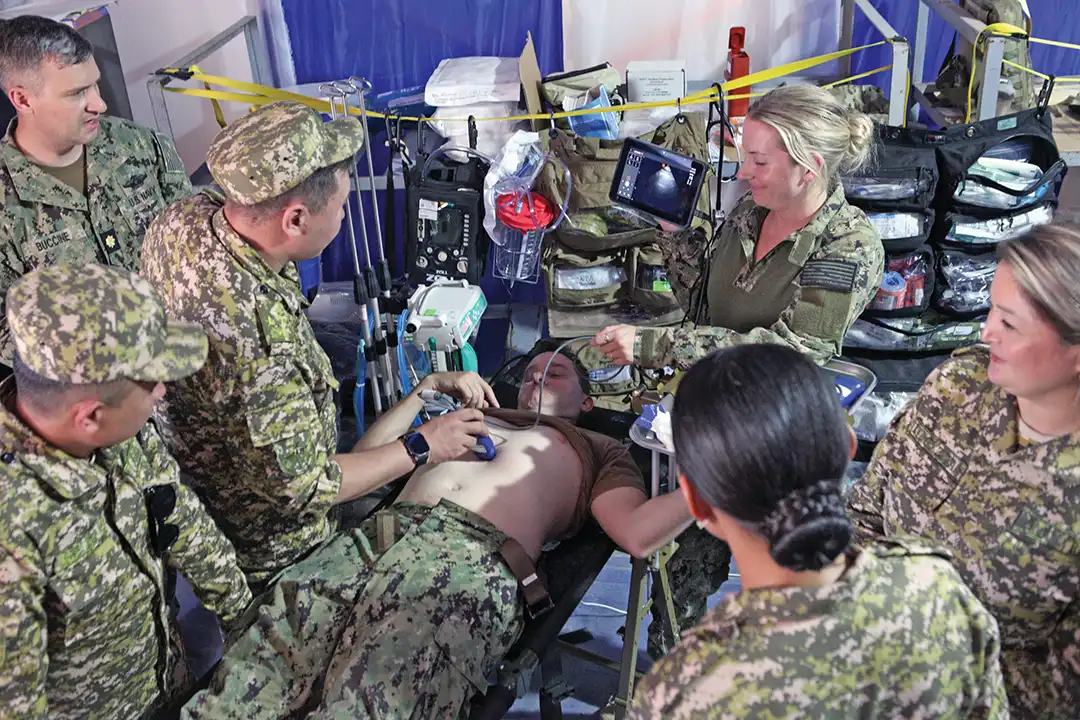
In a recent example of this security partnership, Montana National Guard and U.S. Air Force personnel participated in the Ak Shumkar 2025 exercise in the Kyrgyz Republic in late 2025. The successful Kyrgyz Armed Forces-Montana National Guard collaboration, part of the U.S. National Guard Bureau’s State Partnership Program, is celebrating its 30th anniversary in 2026.
Regionally, the Kyrgyz Republic has also maintained strong security ties with its Central Asian neighbors. In February 2026, Kazakhstan announced a military assistance program aimed at strengthening defense cooperation between the neighboring countries and supporting modernization efforts. This cooperation is key to countering the destabilizing effects of radicalization, terrorism and organized crime.
Sources: United Nations Office of Counter-Terrorism, The Times of Central Asia, Kazinform International News Agency