

Saudi Arabia has earned recognition as a major non-NATO ally of the United States, a status that gives the Saudis easier access to U.S. military equipment and expands security training and cooperation.
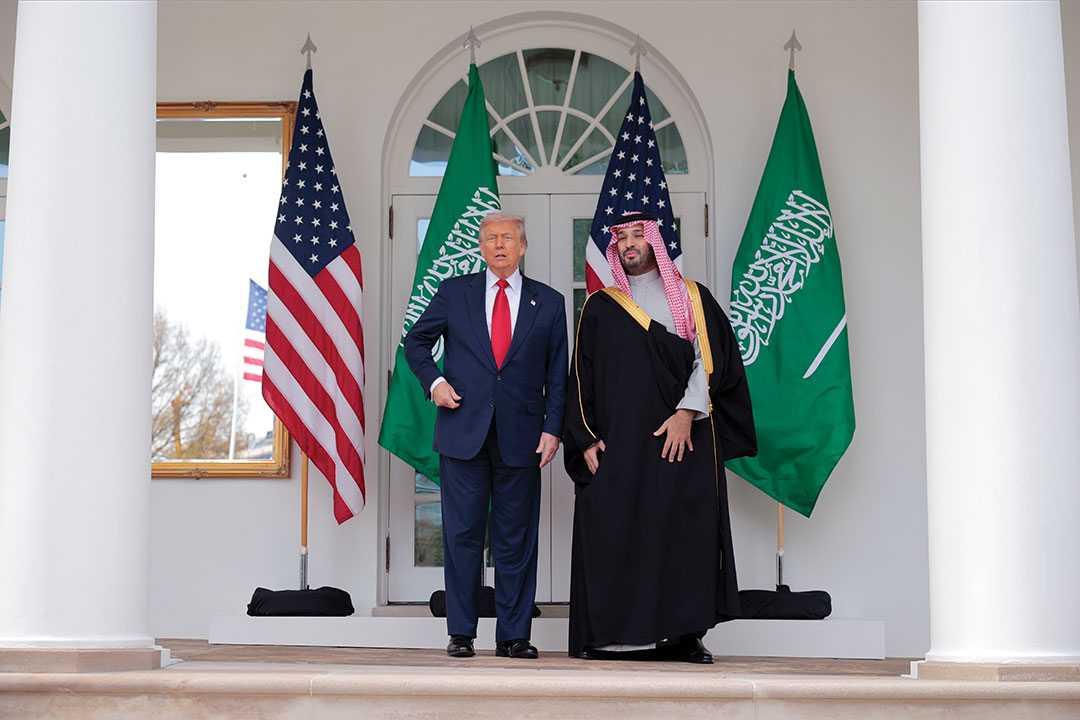
The announcement came at a visit by His Highness Saudi Crown Prince and Prime Minister Mohammed bin Salman to Washington, D.C., in November 2025. The highlight of the trip was meetings with U.S. President Donald Trump, who heralded the new Strategic Defense Agreement between the two countries.
“A stronger and more capable alliance will advance the interests of both countries, and it will serve the highest interest of peace,” Trump said at a dinner at the White House with Prince Mohammed bin Salman.
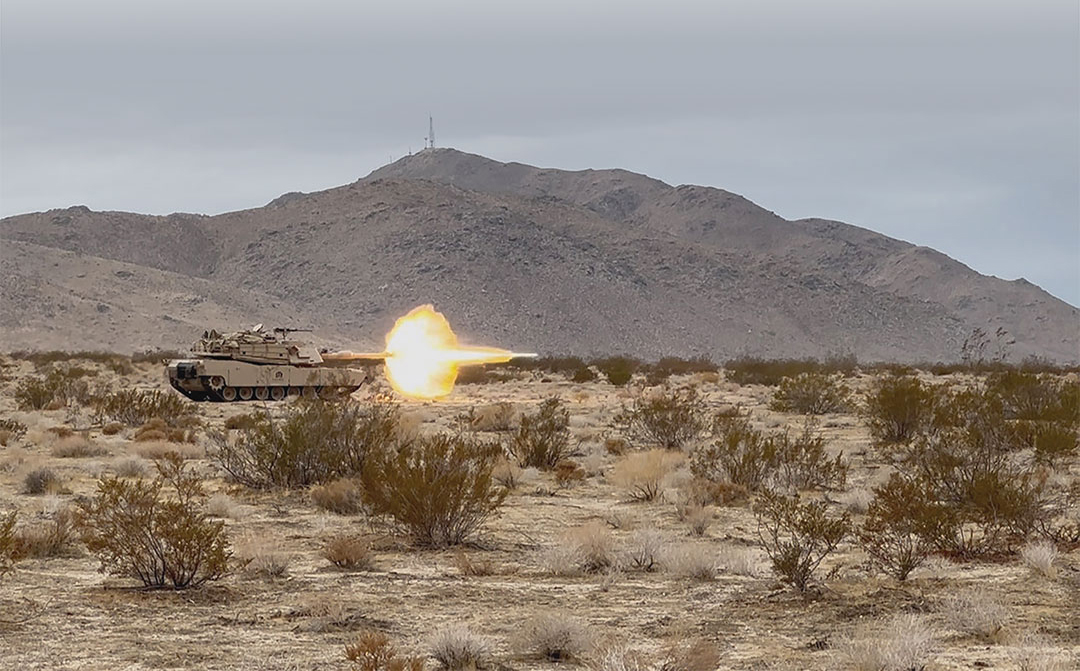
During the diplomatic engagements between the two leaders, Trump announced a sale to Saudi Arabia of advanced F-35 fighter jets. The two countries also reached agreement for Saudi Arabia to buy hundreds of U.S. tanks.
Prince Mohammed bin Salman praised the nine-decade relationship between the two countries and encouraged deeper ties.
“We’ve been working together for a long time,” the crown prince said of the United States. “But today is a very important time in our history.”
Other countries that have received major non-NATO ally status include Bahrain, Egypt, Jordan, Kuwait, Pakistan and Qatar.
Security cooperation between Saudi Arabia and the U.S. made great strides in 2025. In addition to the November announcements, Saudi forces activated its U.S.-made Terminal High Altitude Area Defense (THAAD) missile defense system in July 2025. The batteries defend against ballistic missile threats.
That same month, Saudi Arabia and U.S. conducted a joint maritime exercise called Marine Defender 25. The Royal Saudi Naval Forces and U.S. Naval Forces Central Command, U.S. 5th Fleet, conducted a weeklong drill in the eastern Saudi city of Jubail, along the Arabian Gulf, on explosive ordnance disposal, countermine operations, unmanned systems integration, urban combat and joint maritime patrols.
The exercise aimed to enhance integration, coordination and interoperability between the two countries’ navies; develop defensive capabilities to address security challenges in vital maritime environments in a precarious region; and strengthen operational effectiveness.
To keep pace with the evolving battlefield environment, Marine Defender 25 also included field training, naval and air combat, anti-submarine warfare, and naval formation operations.
“These military-to-military exercises and dynamic activities underscore our shared commitment to regional stability, operational readiness and the ongoing defense partnership between the United States and the Kingdom of Saudi Arabia,” U.S. Central Command spokesman Dave Eastburn told the Al Arabiya network.
The exercise came on the heels of a visit by then-USCENTCOM Commander Gen. Erik Kurilla to Saudi Arabia, during which he met with Saudi Armed Forces Chief of General Staff Gen. Fayyad bin Hamed Al-Ruwaili. Appreciating continued U.S. support to Saudi Arabia’s air defenses, Gen. Al-Ruwaili accompanied Gen. Kurilla to inspect the THAAD system.
Saudi Arabia is the largest customer for U.S. foreign military sales, with over $140 billion in active deals. The F-35 and tank purchases would increase that total.