

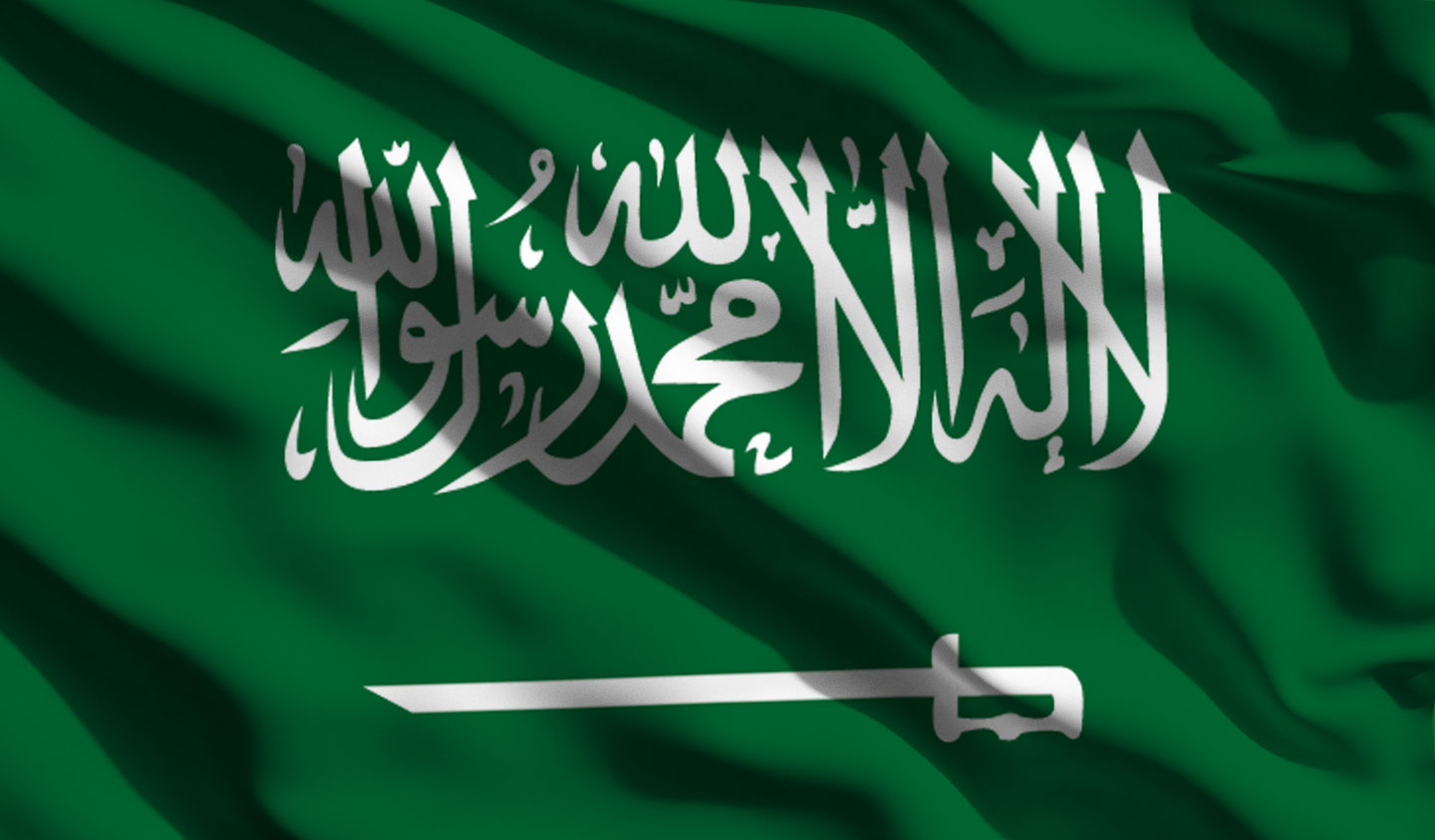
Since the accession of His Royal Highness Mohammed bin Salman Al Saud to Crown Prince in June 2017, Saudi Arabia has initiated a comprehensive modernization plan. This includes good governance, economic diversification, and investments in defense technology and modernization.
Specifics include enhancing Saudi Royal Armed Forces capabilities, upgrading their equipment and procuring 50% of Saudi military materiel at home.
In line with that vision, the kingdom hosted the World Defense Show 2026 (WDS), to showcase the future of defense integration through technological developments from all over the world.
Focused on the theme “The Future of Defense Integration,” WDS 2026 covered 800,000 square meters of exhibition space in Riyadh and featured participants from more than 80 countries.
Established in 2022 by the Saudi General Authority for Military Industries, WDS has become an exhibition for state-of-the-art defense systems where hundreds of defense contractors meet and discuss security challenges and solutions.
The proliferation of advanced missile technology among rogue militias like the Houthi terrorist group in Yemen, groups that operate outside the bounds of traditional state-to-state deterrence, has prompted the Saudi government to seek advanced integrated air and missile defense systems.
The kingdom signed a $15 billion contract with the United States in November 2018 to buy 44 Terminal High Altitude Area Defense (THAAD) missile launchers, 360 THAAD interceptor missiles and related equipment.
The Saudi Royal Air Defense Force commissioned its first THAAD missile system unit in July 2025, after the completion of system testing, evaluation and field training of personnel in the U.S. and Saudi Arabia.
A THAAD battery consists of six M1120 launch trucks with eight interceptor missiles each, two mobile tactical operations centers and ground-based radar with a surveillance range of 965 kilometers. They are designed to defeat short-, medium- and intermediate-range ballistic missiles in their terminal flight phase.
Saudi Arabia ensured that some components for THAAD were assembled locally to enhance Saudi manufacturing and technological capabilities as part of Saudi Vision 2030. The kingdom will produce, transport and launch containers for missiles and launcher components.
The kingdom’s acquisition of the THAAD marks an important partnership with the U.S. to strengthen national defense and improve regional security.
Sources: Al Jazeera, Army Recognition, centcomcitadel.com, thearabweekly.com, Lockheed Martin, vision2030.gov.sa