

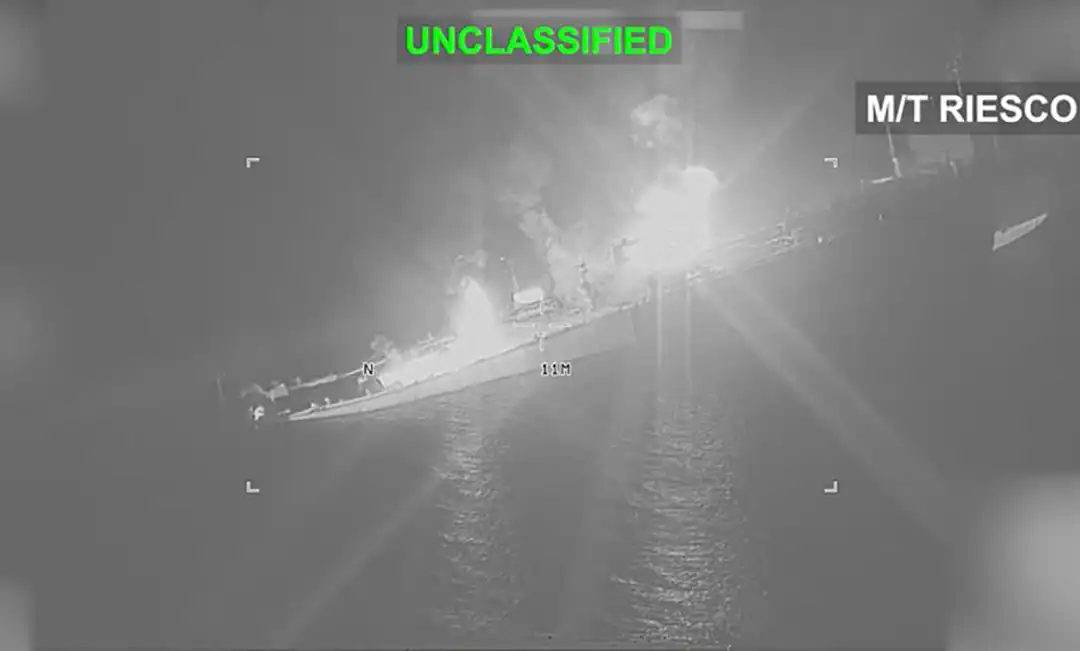
The Iranian Regime’s attacks and coercive maritime practices, combined with sanctions-evasion networks that move Iranian petroleum through opaque shipping arrangements, are causing additional risks for commercial operators and increasing the global economic costs by prolonging the regime’s conflict with the United States.
Since the conflict began in late February 2026, Islamic Revolutionary Guard Corps (IRGC) forces have threatened and attacked commercial vessels with missiles, armed drones and uncrewed surface vessels. The IRGC continues attempting to board commercial ships in the Arabian Gulf, Strait of Hormuz and Gulf of Oman, and to force them into Iran’s territorial waters, the U.S. Department of Transportation Maritime Administration reported.
Through September 16, the International Maritime Organization (IMO) verified 80 attacks on merchant vessels in and around the Strait of Hormuz, with at least 22 seafarers killed. The strait is a key choke point for global energy markets.
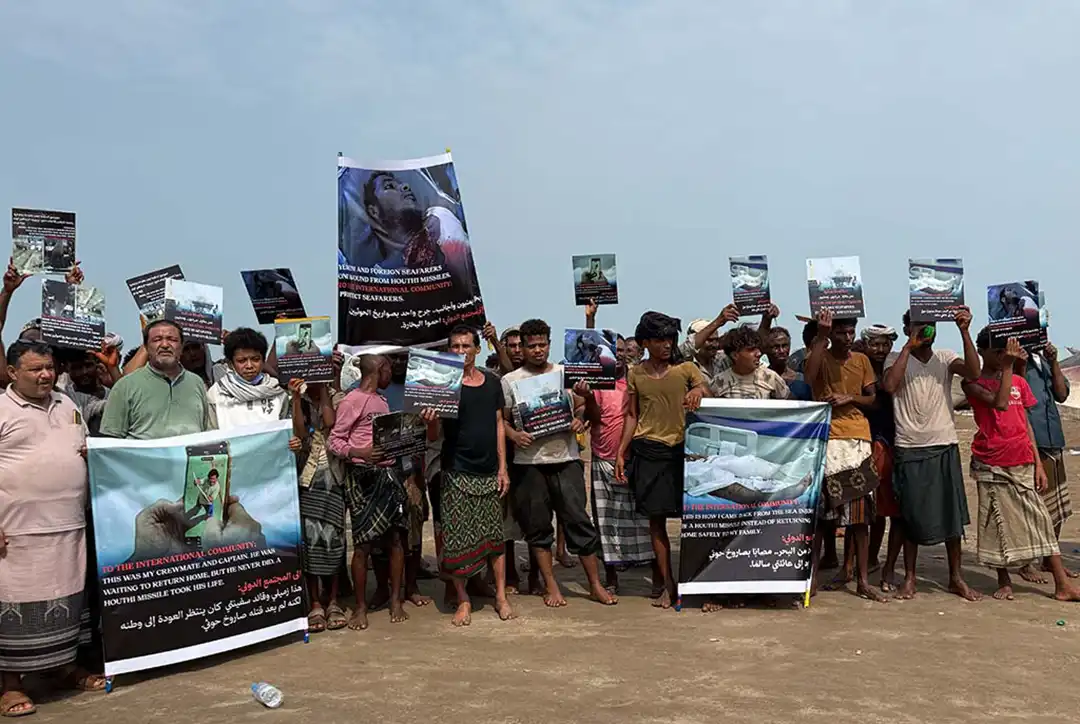
“We are reaching a point where these conflicts are being used as a pretext to attack merchant vessels and innocent seafarers. Do not use these conflicts to attack innocent seafarers,” IMO Secretary-General Arsenio Dominguez demanded in September of the agency’s 176 members, including Iran. The IMO stressed that commercial attacks also impact supply chains, national economies and consumers.
Iranian Regime networks use shadow fleet tankers, front companies, ship-to-ship transfers and deceptive documentation to move crude oil, liquefied petroleum gas and other petroleum products to international markets while obscuring their origin, according to the U.S. Treasury Department.
In July, the U.S. announced it had identified vessels that transported millions of barrels of Iranian petroleum and described an IRGC-backed scheme that involved compulsory insurance payments for vessels transiting the strait.
“With its economy in freefall and inflation in the triple digits, the regime is desperate for cash,” U.S. Treasury Secretary Scott Bessent stated. “The United States will not allow Iran to hold global commerce hostage or use international shipping to finance the IRGC’s terrorism, aggression, and repression.”
U.S. forces have degraded the regime’s ability to attack civilian mariners and commercial vessels transiting the strait, according to the U.S. Central Command.
Meanwhile, attempts by the Iranian regime and its affiliated networks to evade international sanctions undermine diplomatic efforts to de-escalate the conflict, analysts say.
The consequences of the Iranian Regimes coercion are sharply felt in countries whose citizens work at sea.
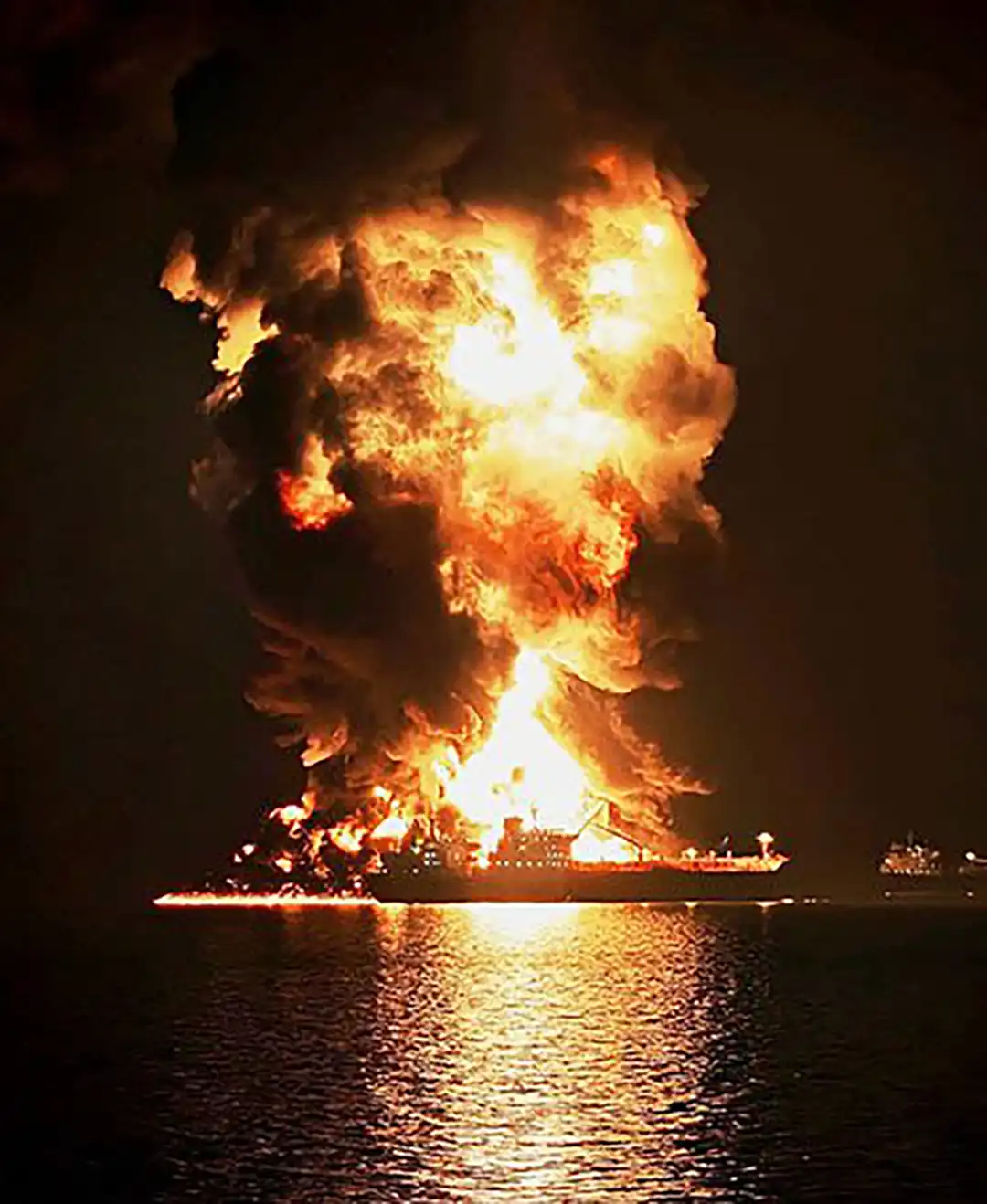
Nations have taken steps to protect their workers. For example, a spate of attacks in July in the Strait of Hormuz killed an Indian engineer and injured nine others, spurring India’s Directorate General of Shipping to restrict ship owners, ship managers and recruitment agencies from deploying Indian seafarers on vessels transiting the strait.
In March, the Philippine Department of Migrant Workers designated the Arabian Sea, Gulf of Oman and Strait of Hormuz as warlike-operations areas. This grants Filipino seafarers the right to refuse deployment to affected waters and requires shipowners to strengthen security arrangements and provide enhanced compensation. By mid-September, the Philippines, which is the largest supplier of seafarers globally, was considering temporarily banning deployments to high-risk areas in the Middle East, the Seatrade Maritime News website reported.
Shipping companies also face more challenges in crewing vessels and pay more for insurance and security.
By continuing its coercive tactics, the Iranian regime is purposefully prolonging the conflict and increasing the global costs, analysts say.