

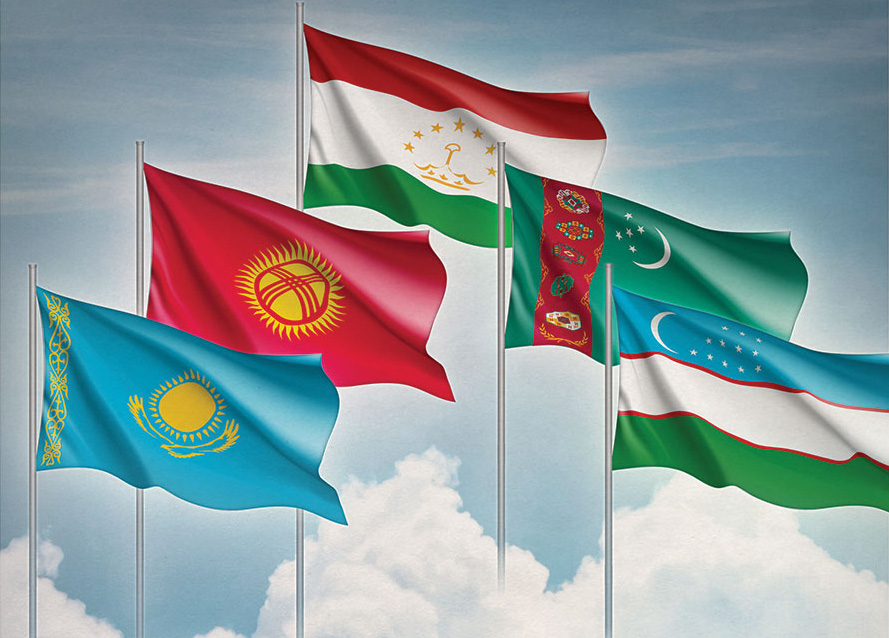
When Tajikistan sought to strengthen its counterterrorism efforts, including improving border security, it turned to a geographically small Middle Eastern country with experience in the field: Kuwait.
A November 2024 conference titled “Strengthening International Counter-Terrorism Cooperation and Building Agile Border Security Mechanisms” brought hundreds of government ministers, heads of international organizations and subject matter experts to Kuwait City to support Central Asia security.
A highlight of the summit was a consultation among Tajik Minister of Foreign Affairs Sirojiddin Muhriddin, Kuwait Minister of Foreign Affairs Abdullah Ali Al-Yahya and United Nations officials.
The Kuwait City counterterrorism conference was emblematic of growing security, economic and cultural ties between the nations of Central Asia and counterparts in the Arabian Gulf. Such cooperation promises increased stability for all parties.
Uzbekistan and the UAE have deepened their bilateral partnership. Uzbekistan President Shavkat Mirziyoyev joined His Highness UAE President Sheikh Mohamed bin Zayed Al Nahyan in Abu Dhabi in January 2025 to declare “A New Era of Economic Partnership between Uzbekistan and the UAE.”
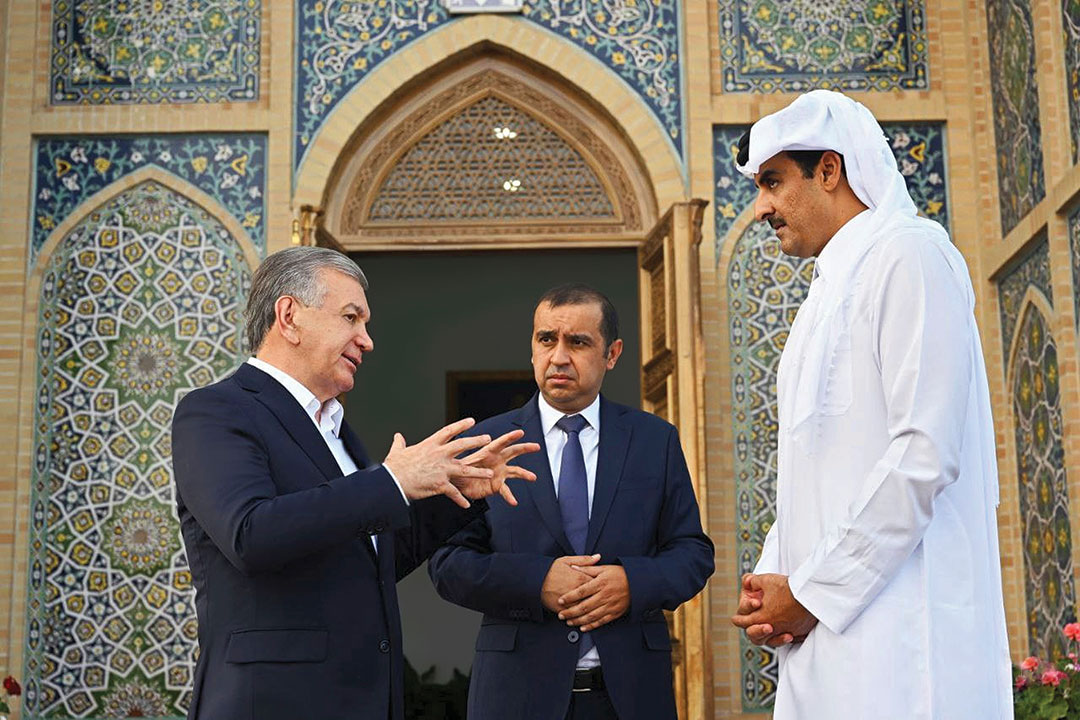
A month earlier, President Mirziyoyev had visited His Highness Emir Sheikh Tamim bin Hamad Al Thani of Qatar. The pair discussed expanding economic projects in the fields of energy, transportation and tourism infrastructure, agriculture, and health care. Also on the agenda was a commitment to combat terrorism.
While Uzbekistan plays a leading role in regional diplomacy, other Central Asian nations are also strengthening their relations with the Arabian Gulf states.
Tajikistan and Kuwait’s summit in November 2024 was a major step to boost their security partnership. Speaking at the event, President of Tajikistan Emomali Rahmon stressed the reach and impact of the “Dushanbe Process on Combating Terrorism and its Financing,” with a focus on border protection.
“Our country, in cooperation with its partners, contributes to the creation of mechanisms that help prevent the smuggling of weapons, drugs and the financing of terrorism. Today, more than ever, it is obvious that no country can succeed in combating these challenges and threats alone,” President Rahmon said.
“Tajikistan is at the forefront of countering modern threats such as terrorism, extremism, radicalism, drug trafficking and other manifestations of transborder organized crime. In this regard, we are well aware of the need to integrate efforts at the international level.”
Tajikistan and other Central Asian nations have reaffirmed their commitment to regional stability by embracing other global security initiatives, such as the joint summit of the League of Arab States and the Organization of Islamic Cooperation (OIC) in November 2024.
During the event, representatives discussed the geopolitical landscape in the Middle East and the challenges and threats facing Islamic nations. At the summit, Kazakh Foreign Minister Murat Nurtleu underscored Kazakhstan’s growing role in regional security, requesting the OIC’s engagement in advancing peace and addressing conflicts.

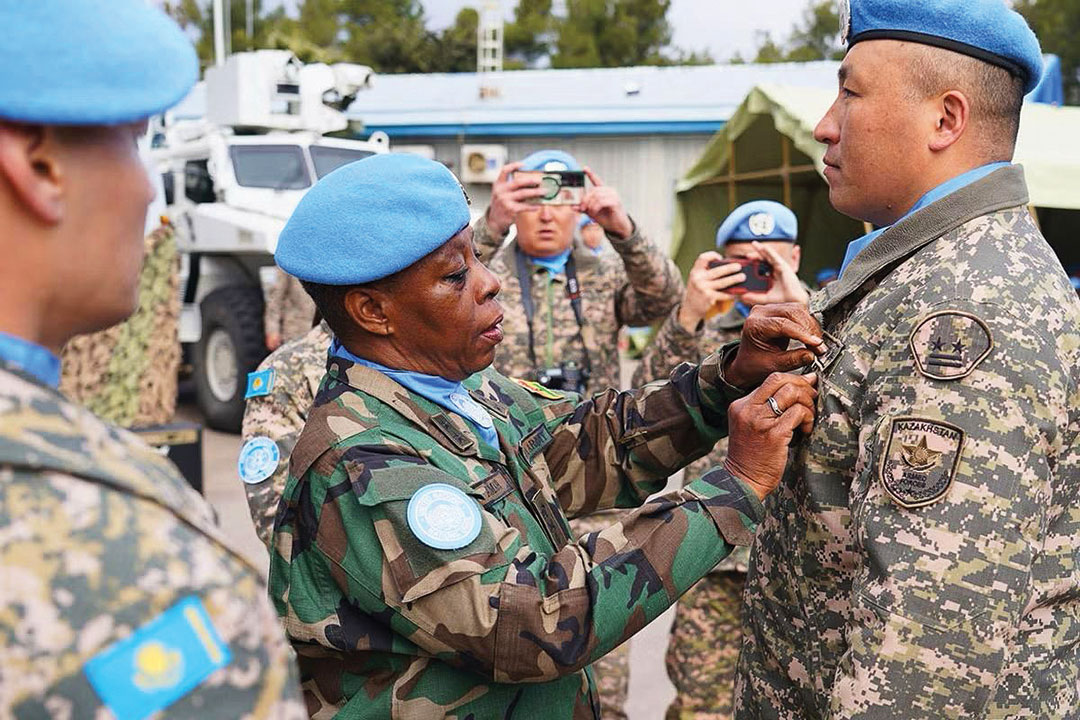
Foreign Minister Nurtleu reminded the delegates that Kazakh troops have served gallantly in U.N. peacekeeping missions in conflict zones, including the Golan Heights and Lebanon.
Economic integration between Central Asian and Middle Eastern countries also plays a role in strengthening stability. Central Asian countries and Gulf states are actively pursuing regional and bilateral trade and investment.
Part of the growing partnership between Tajikistan and Kuwait includes aviation sector cooperation. Tajikistan has sought Kuwaiti investment in a joint civilian airline and discussed the possibility of launching direct Kuwait Airways flights between Dushanbe and Kuwait City.
The Kyrgyz Republic and Bahrain agreed to stepped up cooperation in transport and logistics, tourism, and the export of Kyrgyz crops to Bahrain. Another direct flight, between the capitals of Manama and Bishkek, is also under negotiation.
As part of broader efforts to attract investment and boost tourism from the Middle East, the Kyrgyz Republic has taken the significant step of introducing visa-free travel for citizens of Gulf Cooperation Council countries.
Under this policy, visitors from these countries can stay in the Kyrgyz Republic for six months without the need of a tourist visa. Exceptions apply for work and academic travel.
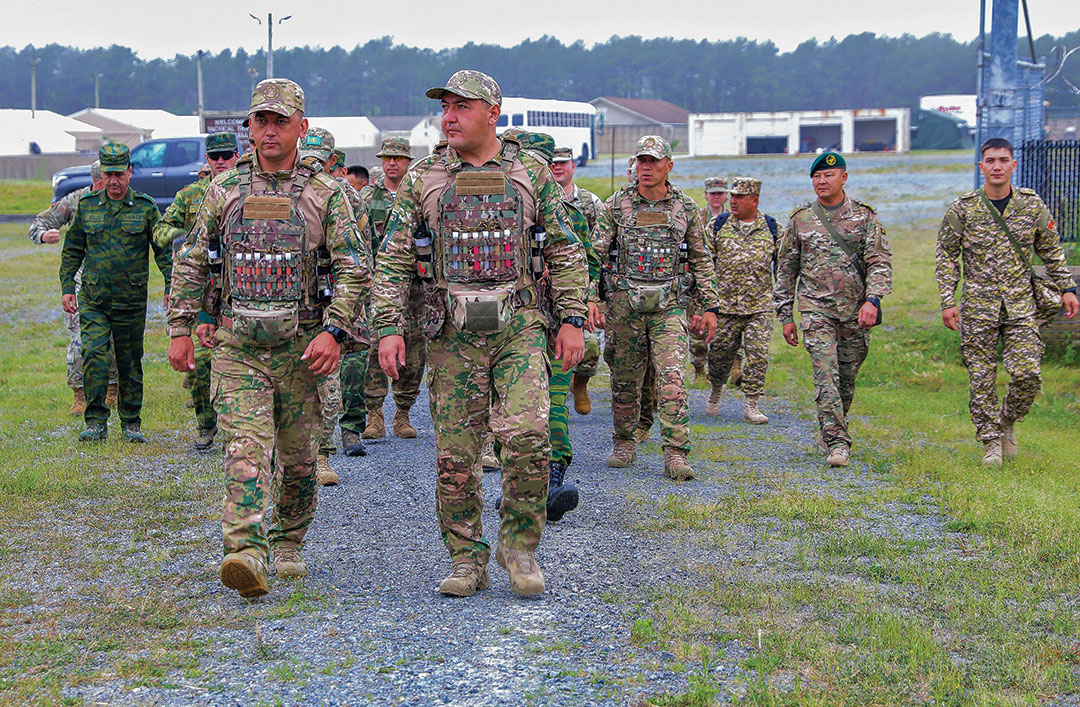
Central Asia’s strategic location aligns with Qatar’s global engagement goals. Looking to expand opportunities, Doha aims to keep pace with Saudi Arabia and the UAE in investment projects, particularly in energy, logistics and agriculture, while growing its presence in the wider Central Asian region.
Kazakhstan and Qatar have developed especially strong ties, with Qatar planning several major construction projects involving gas processing plants and pipelines. Kazakhstan sees a market to export halal meat to Qatar.
Saudi Arabia’s engagement with Central Asia has not lagged behind its Gulf neighbors. The kingdom has developed projects with Central Asian nations focused on energy cooperation, agricultural investments and technology transfer.
In October 2024, ACWA Power, a Saudi energy company, announced financing for a $1.1 billion solar energy project in Uzbekistan. The same company had already committed to building wind power plants in Uzbekistan and Kazakhstan. Such projects help Central Asian countries diversify their energy sources while benefiting from Saudi Arabia’s expertise in large-scale energy project management.
The deepening economic cooperation between the two regions also is extending into the digital realm, where improved digital infrastructure and e-government projects promise to improve cybersecurity and government efficiency.
The future of Central Asia-Middle Eastern relations looks promising as both regions deepen their ties. This will lead to increased regional stability, economic growth and cultural bridge building. Closer cooperation with Gulf countries also broadens Central Asia’s global connections, diversifying its foreign policy to reduce reliance on traditional partners.