
Photos by AFP/GETTY IMAGES
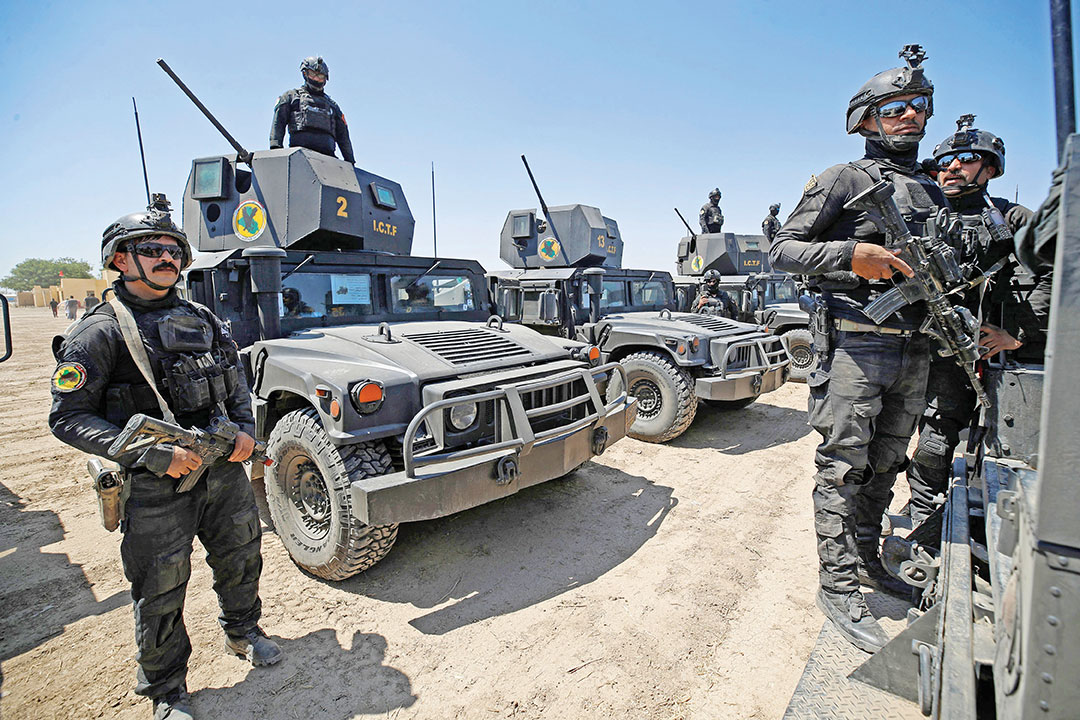
The Iraqi Counter-Terrorism Service is widely known for its targeted field operations against Daesh, but its duties include a lesser-known and equally important mission: adoption of a soft power approach to combating extremist ideology. This approach focuses on the intellectual and social rehabilitation of returnees from Syria’s Al-Hawl camp through a combination of thorough security assessments, psychological support, intellectual and religious reorientation, and community integration programs.
The Al-Hawl camp, in northeastern Syria, poses complex security and humanitarian challenges: It has sheltered tens of thousands of women and children, including members or families associated with Daesh. Security services view the camp as a fertile environment for the propagation of violent extremism because radical ideas continue to be transmitted and nurtured within.
Given this context, on March 11, 2025, the Iraqi Counter-Terrorism Service launched a program to support rehabilitation operations under the direct supervision and support of its commander, Lt. Gen. Karim Al-Tamimi. The program included visits to the Al-Amel Center for Psychological and Community Rehabilitation in Nineveh province to survey and evaluate a sampling of returnees from the Al-Hawl camp. During these visits, meetings were held with center officials and staff, including representatives of international organizations — particularly from the United States — that continue to provide humanitarian support and care despite administrative and financial challenges.
Using information collected from these visits, the Iraqi Ministry of Migration and Displacement worked with U.S. partners to design a plan that led to the signing of a coordination and cooperation agreement between the ministry and the Counter-Terrorism Service in July 2025.
The agreement includes security, psychological and informational aspects that aim to support the integration, protection and rehabilitation of returnees to Iraq after years of living in an ideological environment that bred extremism.
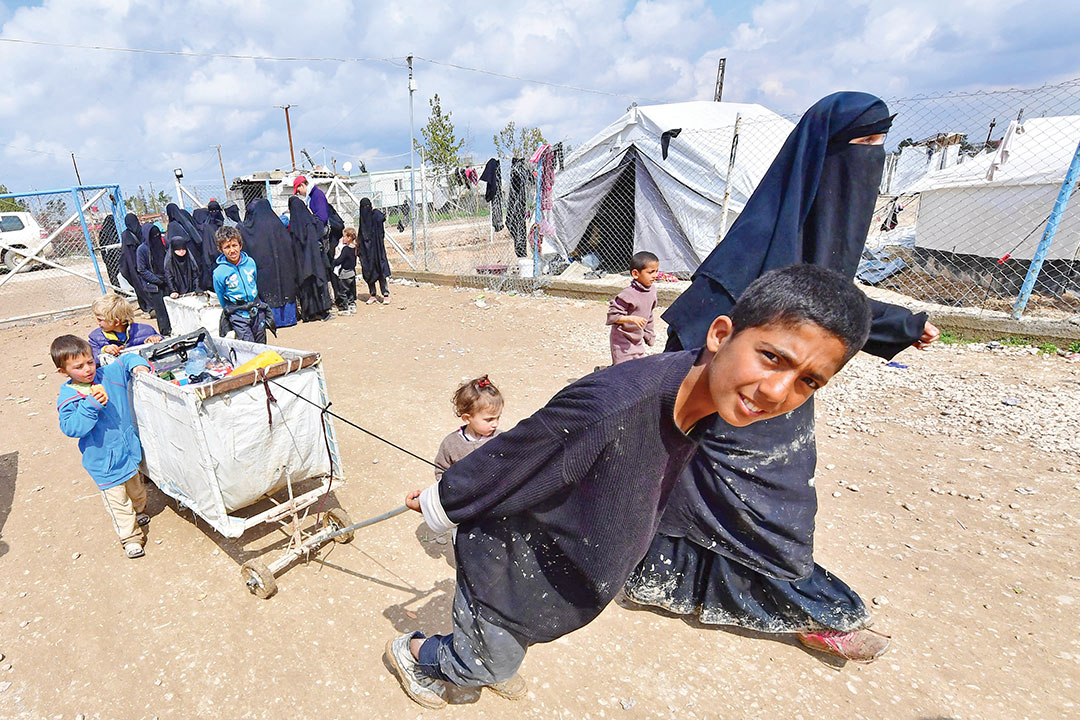
The Counter-Terrorism Service’s approach is based on the belief that confronting extremism intellectually and socially is as important as kinetic anti-terrorism operations. Accordingly, the service has adopted several programs:
Pre-screening: Before enrolling returnees in rehabilitation programs, the service conducts a thorough screening in cooperation with other security agencies to determine the level of threat and classifies individuals by how much of a danger they potentially pose.
Psychological support and trauma therapy: Many returnees, especially women and children, have suffered psychological trauma as a result of war and displacement. The service works with mental health professionals to treat post-traumatic stress disorder and moderate the effects of social isolation and ideological brainwashing.
Religious and intellectual reorientation: In collaboration with religious scholars and educational institutions, the service offers corrective programs that refute extremist interpretations of religious texts and emphasize coexistence and the rejection of violence.
Community integration programs: The service coordinates with tribal leaders, civil society and local authorities to facilitate the return of individuals to their original community, while working to reduce social stigma and ensure positive community oversight.
Returnees cannot all be treated as a single security case. Some are committed to extremist ideologies, while others were victims of coercion. Recognizing these differences allows the service to design customized programs that combine security, protection and rehabilitation, increasing the chances of success and reducing the risk of recidivism.
Experience has shown that involving local communities in the rehabilitation process reduces tensions and increases chances of success. Providing vocational training to returnees also leads to better results.
The Iraqi experience provides an important model for states and security institutions. Sustainable counterterrorism requires a combination of decisive operational capabilities and noncombat tools that address the root causes of specific problems.
The Iraqi Counter-Terrorism Service embodies an important shift in how to combat violent extremism. It does not merely eliminate threats on the ground but also works to dismantle the intellectual and social foundations that allow it to spread.
This balanced approach of hard and soft power is a cornerstone for building sustainable security. It’s a strategy applicable not just to Iraq, but also to the region and the world.