

In response to direct attacks from the Iranian regime against its neighbors in the Arabian Gulf and Levant, the United States Department of War is accelerating use of a defensive measure to protect regional partners and U.S. forces.
The Department of War Rewards Program (DoWRP) offers money to people who provide timely, credible information to disrupt security threats. These rewards are payable directly to the person who submits the information, pending validation and review. Rewards can reach $5 million depending on the information’s quality.
Adm. Brad Cooper, commander of U.S. Central Command, is expanding the program because of recent hostilities in the region.
The program rewards intelligence related to force protection and combating terrorism but also illegal smuggling and weapons caches. All tips can be submitted securely and confidentially through the official program website: www.dodrewardsprogram.net.
The program is simple and flexible. Civilians — often unaffiliated with any government or military force — can submit information through encrypted channels, including web portals, WhatsApp, Telegram and secure phone lines. Languages such as Arabic, Farsi, Urdu and Pashto are supported to ensure accessibility.

The program’s speed and discretion is a significant advantage. It bypasses bureaucratic slowdowns, allowing commanders in the field to make reward decisions in real time — sometimes within days of receiving a valuable tip.
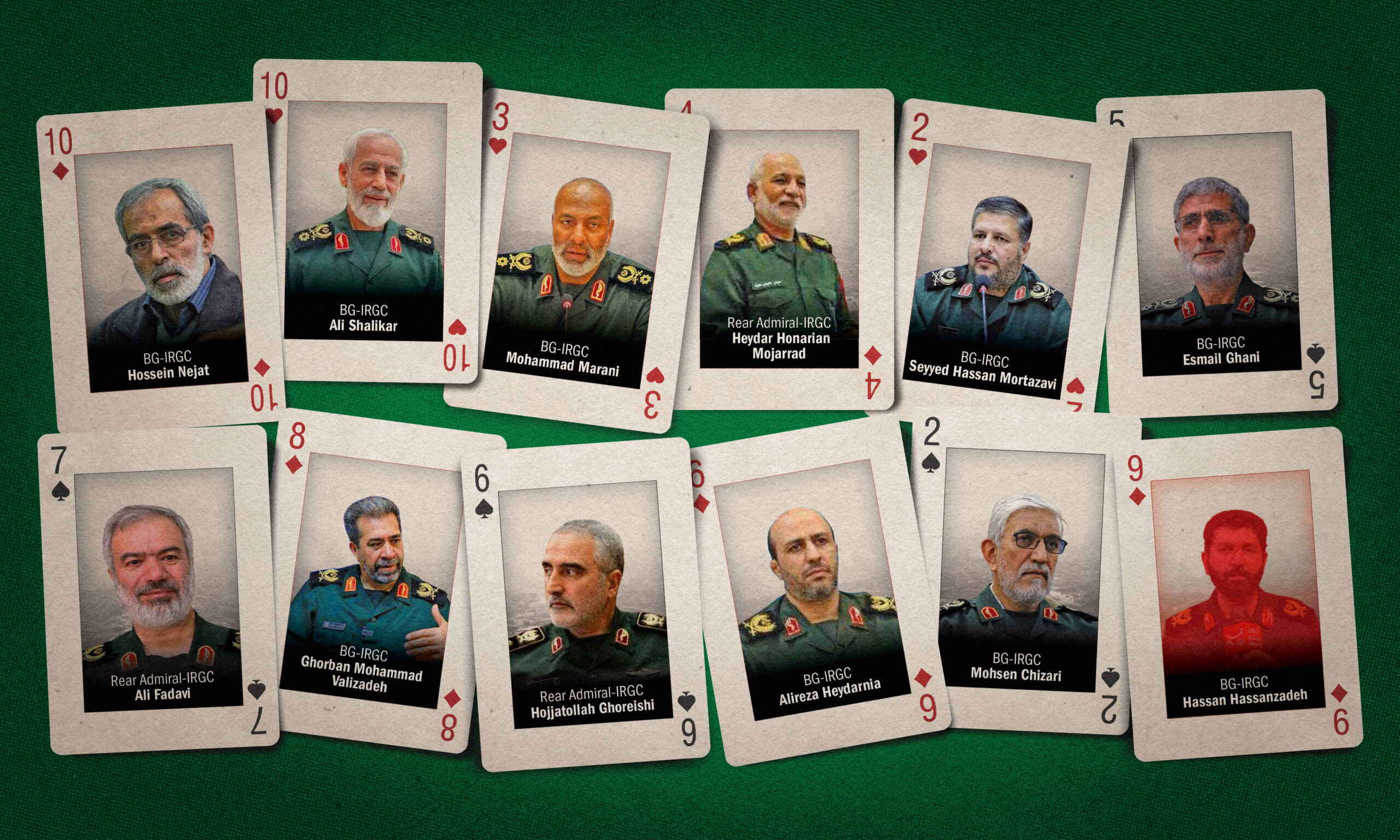
A central element of this counter-aggression strategy is the new Deck of Cards initiative, which was developed with the U.S. Department of State’s Rewards for Justice program.
This venture seeks information on 56 key Islamic Revolutionary Guard Corps personnel whose malign activities are instrumental in the Iranian regime’s attacks. By publicizing these individuals and offering substantial rewards, the program’s goal is to dismantle their networks and degrade their operational effectiveness.
Operational hurdles remain. In Iran, recent internet shutdowns have neutralized primary digital outreach platforms. SMS messaging is an option, but it is costly and lacks a secure, two-way channel for individuals to submit information. Overcoming this communication gap is a high priority.
In a world where asymmetric threats evolve faster than conventional responses, effective intelligence gathering is no longer the exclusive domain of satellites, cyber assets or even military units. Increasingly, alert citizens — people on the street, in the market or along smuggling corridors — are vital to stop future attacks.