
Photos by Uzbekistan Armed Forces
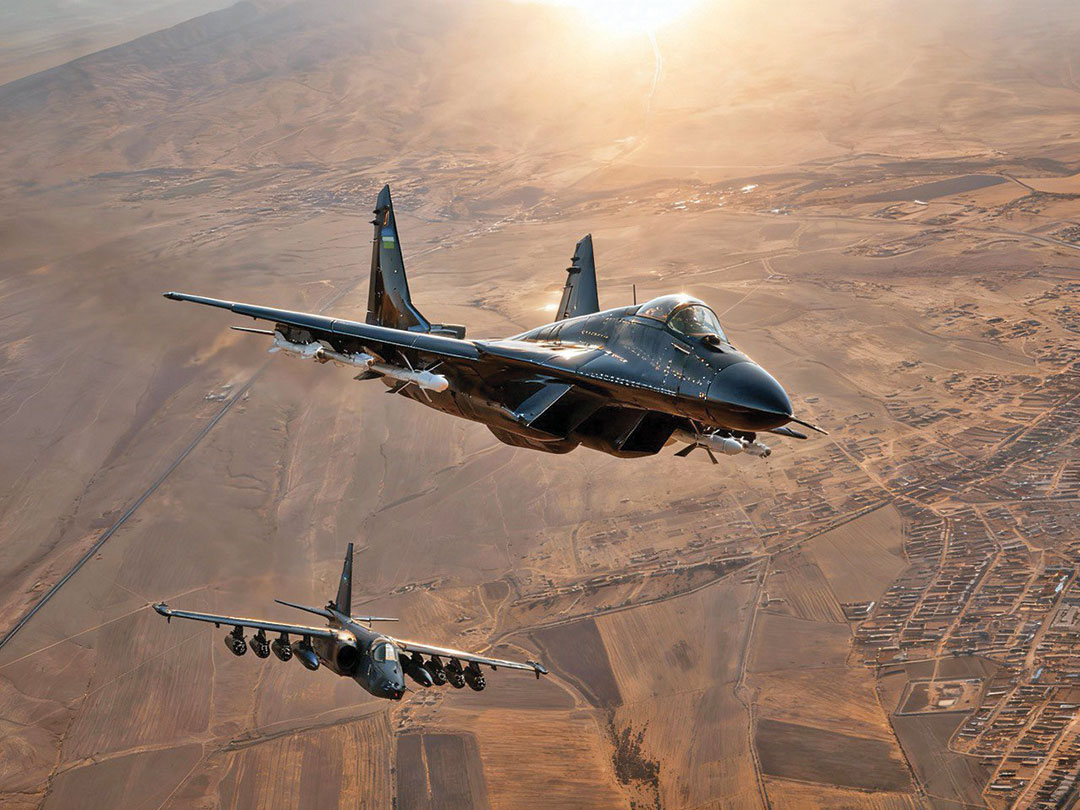
National defense and security are core priorities of Uzbekistan’s state policy. Against the backdrop of an increasingly complex global and regional security environment, Uzbekistan’s primary focus is on maintaining stability, territorial integrity and public safety.
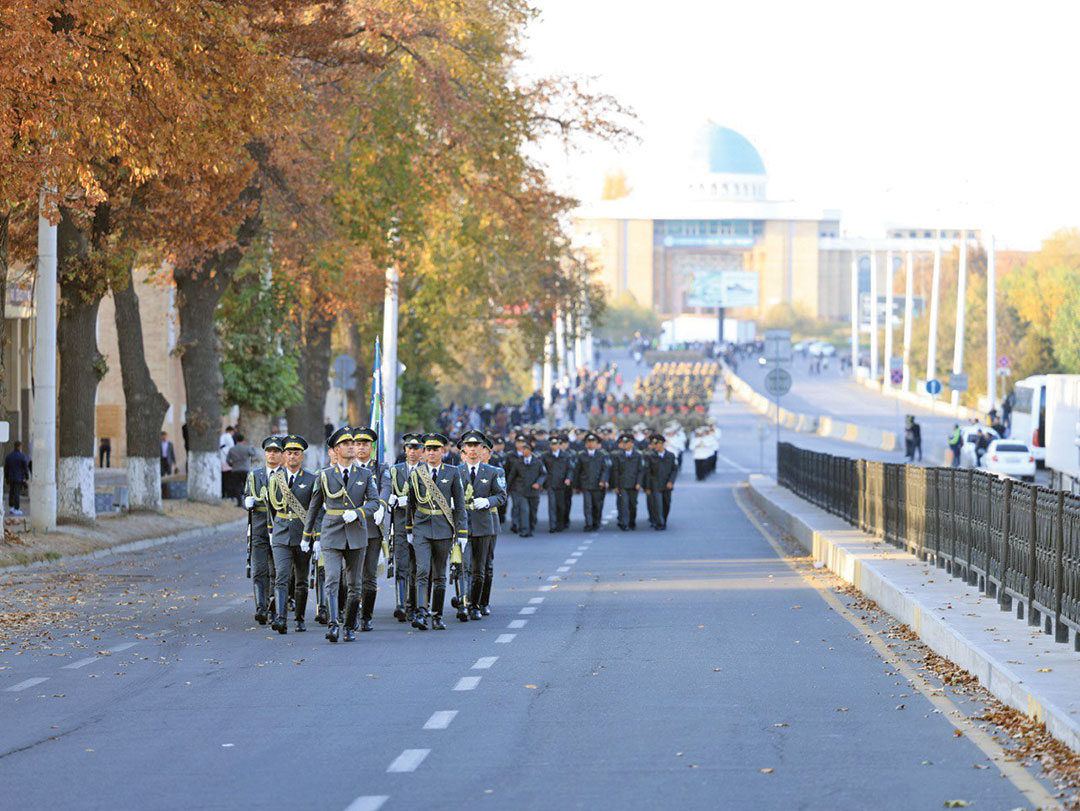
Since 2017, within the framework of the “New Uzbekistan” reform agenda, the Uzbek Armed Forces have undergone a comprehensive modernization process covering command and control, combat training, logistics, personnel development and social support, and are supplemented by strengthened moral and psychological resilience.
Combat Readiness and Training Modernization
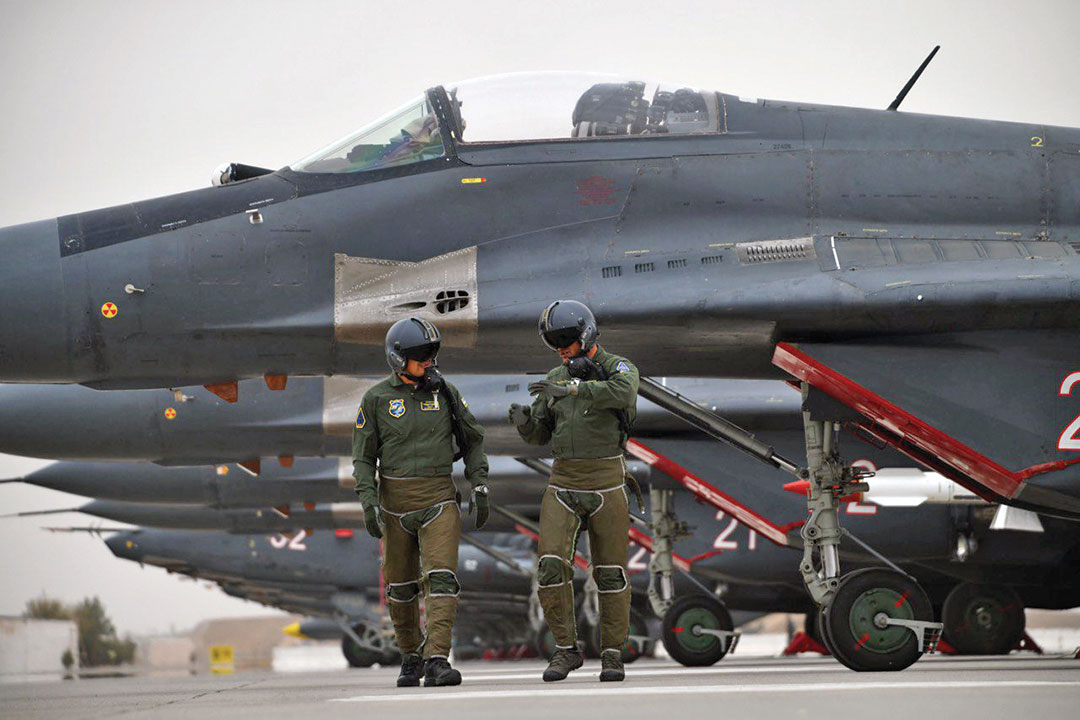
Reforms have focused on improving force structure and deployment, upgrading weapons and military equipment, and enhancing the professional skills of personnel. Training programs have been updated to include an 11-module system that covers seven types of modern combat, two specialized training courses and integrated professional instruction by military specialty.
Operational lessons, drawn from contemporary armed conflicts and the practices of leading foreign militaries, are systematically incorporated into the training. A new tactical framework has been developed along with more than 10 methods for conducting modern warfare, including the use of unmanned aerial systems (UAS), counter-UAS measures, and elements of positional and trench warfare.
 Training Infrastructure and Ranges
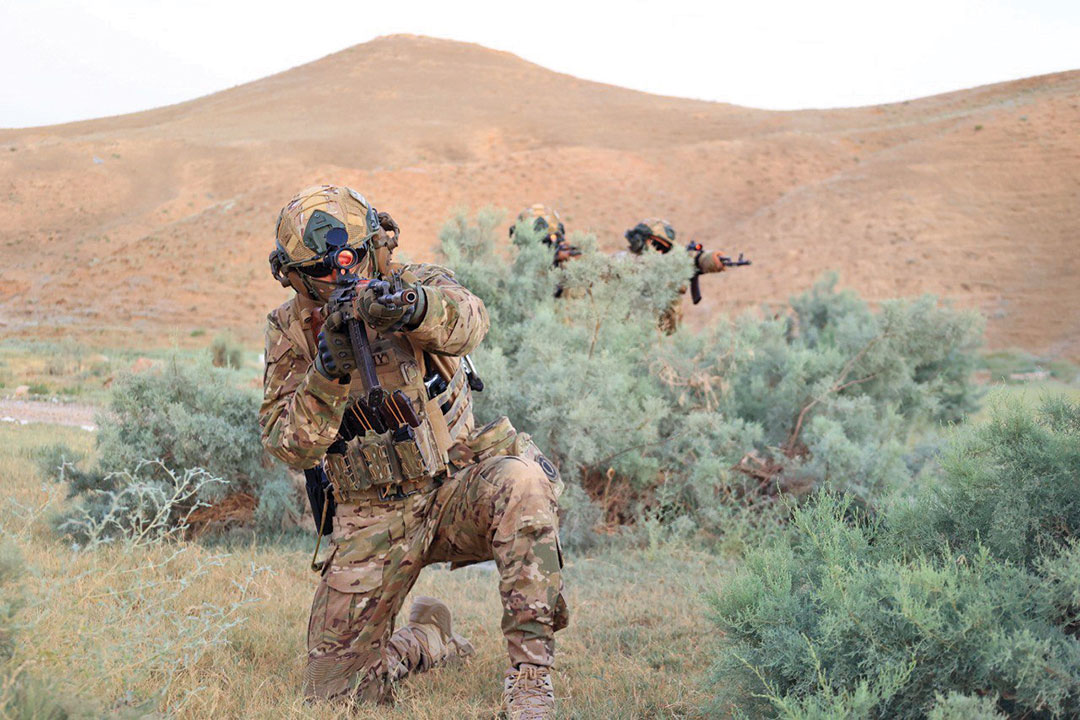
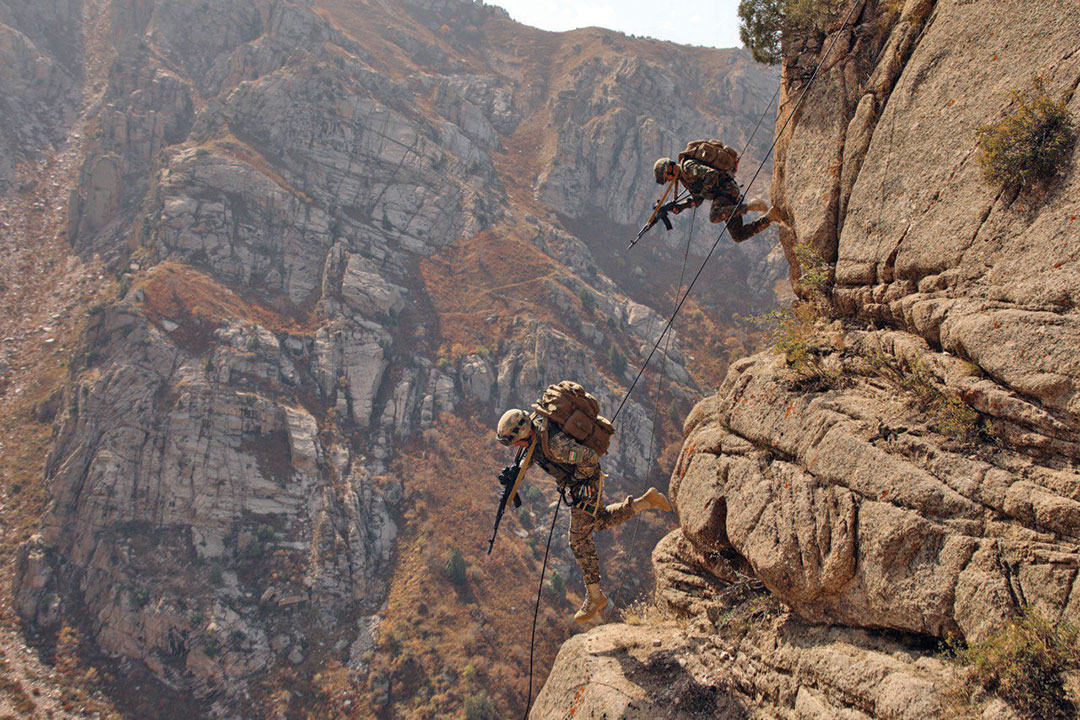
A network of military-administrative sectors has been established across regions to improve coordination between military units and civilian authorities, and to support infrastructure development. Training facilities have undergone large-scale construction and refurbishment projects, including the establishment of specialized centers for simulation, sniper training and mountain warfare. Training ranges are used to practice modern combat scenarios, such as unmanned aerial vehicle (UAV) and first-person-view drone employment, protection against air and artillery strikes, survivability of command posts, construction of protective shelters, and command and control from fortified positions. To further enhance training quality, over 50 improvement initiatives have been implemented.
Competitions and International Performance
Internal competitions strengthen combat readiness and improve motivation and morale. Uzbek military personnel have achieved notable international results: first place among 13 countries at a scientific-combat competition in the Republic of Korea; second place at Cambrian Patrol 2025 in the United Kingdom, among more than 150 teams from over 30 countries; and first place at the Team Spirit competition in Pakistan, involving 31 teams from 14 countries. And, for the fourth time, Uzbek snipers won first place at an international competition in Türkiye.
Uzbekistan also provides training facilities for foreign military personnel, and specialized infrastructure has been created for tactical maneuver training using motorcycles and light vehicles.
 Interagency Coordination
Evolving security challenges have strengthened cooperation among military, security and civilian agencies. Strategic war-gaming exercises were conducted for the first time with the participation of 29 ministries and agencies, testing joint decision-making and response mechanisms. In strategically important areas of the Fergana region, coordinated actions were tested under a unified operational algorithm. Over the course of a year, military districts conducted nearly 200 exercises, including training in the defense of populated areas and protection of critical infrastructure.
Military Education Reform
A new model of military education is being implemented based on best practices from nations such as the United States, the United Kingdom, Germany, Poland, Türkiye, China, India and others. The University of Military Security and Defense was established, comprising five institutes, four faculties, six regional training faculties, 19 training centers, an advanced school for noncommissioned officer training, and specialized centers for aviation and UAV personnel.
The number of departments was streamlined from 59 to 47. New disciplines were introduced in information technology, artificial intelligence, unmanned systems, cybersecurity and robotics. A dual education model (50% classroom instruction and 50% field practice) was adopted, alongside multistage continuous training programs. The share of academic staff with advanced qualifications increased from 42% to 46%, and overseas training is now conducted in more than 10 countries.
 Digitalization of Command and Control
High-speed internet connectivity has been deployed across the Ministry of Defense system, with over 14,000 users connected to digital platforms and more than 50 functional areas digitized. Approximately 2,000 kilometers of fiber-optic communication lines have been installed and over 60 computer laboratories equipped. Training in information technology, cybersecurity, AI and data analytics has expanded; more than 1,000 servicemen upgraded their qualifications in 2025, including training programs abroad.
Moral, Psychological and Cultural Support
Uzbekistan’s Armed Forces place special emphasis on moral and psychological resilience. A unified system of moral and educational training has been introduced, with every Friday designated as a day of patriotism and spiritual development. Military psychologists and sociologists operate within an institutional framework; a psychological center has been in operation since 2023 and 74 psychological relief rooms have been established. The Department for Spirituality and Culture was created, a state military theater launched, and five centers of spirituality and education, along with over 30 new cultural facilities, have been built.
Social Protection and Youth Engagement
Between 2017 and 2024, 9,878 servicemen (including 886 retired personnel) received housing through mortgage programs. By February 2025, rental compensation had been increased by 20% and the down payment contribution under preferential mortgage programs for military personnel with over 10 years of service rose from 25% to 35%.
In 2024, 1,146 children of servicemen and 64 children of fallen or disabled servicemen received preferential university admission recommendations, and in 2025, this number reached 1,234. Assistance is also provided to families of fallen servicemen and to personnel who became disabled due to service-related injuries.
From 2016 to 2025, 322 military units and training facilities, 150 social facilities, six educational institutions and more than 20 military towns were constructed or renovated. Catering services were outsourced to service providers, creating about 3,000 civilian jobs.
Military and patriotic education has been strengthened since November 2024 through reforms to preconscription training, with a School of Courage established in every district. The Vatan Tayanchi (Support of the Motherland) youth movement unites over 300,000 participants; in 2025, about 3,000 graduates subsequently entered compulsory military service. During the 2025-2026 academic year, Vatan Tayanchi units were created in 275 nonstate educational institutions, 60 academic lyceums and 469 vocational colleges.
These reforms constitute a comprehensive modernization of Uzbekistan’s Armed Forces. It encompasses combat training, infrastructure, interagency coordination, military education, digital command systems, morale and social guarantees. A stronger, better-trained Uzbek military helps to ensure internal stability while also strengthening the country’s contributions to regional security.