

As the military confrontation with Iran continues, some observers have been quick to portray the fighting as a sudden escalation imposed by the course of events. However, such interpretations overlook a deeper reality. What the world is witnessing is not the beginning of a crisis, but rather the culmination of a strategic trajectory that has been developing for nearly five decades.
The instability facing the Middle East did not begin with the current military campaign. Its roots extend to the ideological foundations upon which the Iranian regime was built after the 1979 revolution. From its earliest days, the revolutionary leadership in Tehran adopted a doctrine that far transcends the traditional interests of a state.
The concept of “exporting the revolution” became a cornerstone of Iran’s strategic vision, guiding a foreign policy aimed at expanding influence across borders and reshaping the political landscape of the region.
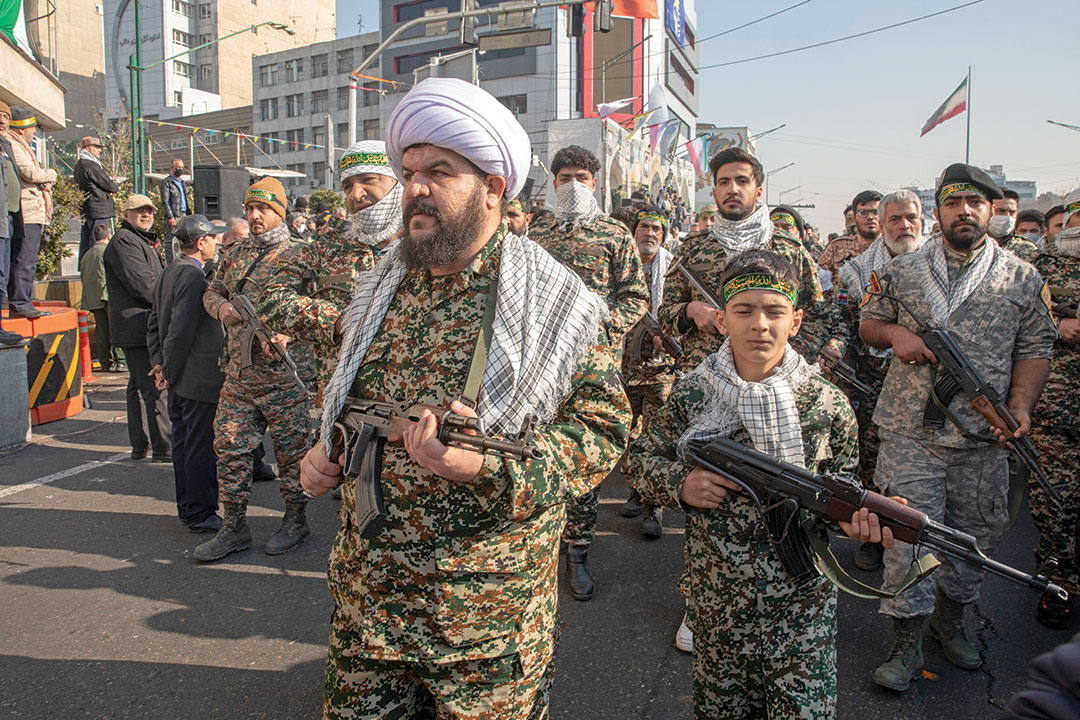
Unlike the tools of traditional diplomacy, this strategy has relied heavily on using instruments of power indirectly. Iran has developed a complex model of influence based on employing armed nonstate actors, building ideological networks and developing parallel military capabilities. Over time, this approach has evolved into a complex regional architecture of proxy forces operating across multiple theaters of conflict.
The impact of this strategy has been profound. Organizations such as Hezbollah in Lebanon, the Houthis in Yemen, and various armed factions in Iraq have not merely acted as political allies but have become operational extensions of Iranian strategy. Through these groups, Tehran has been able to influence the course of conflicts, weaken national state institutions, and exert pressure on governments across the region, all while maintaining a degree of strategic deniability.
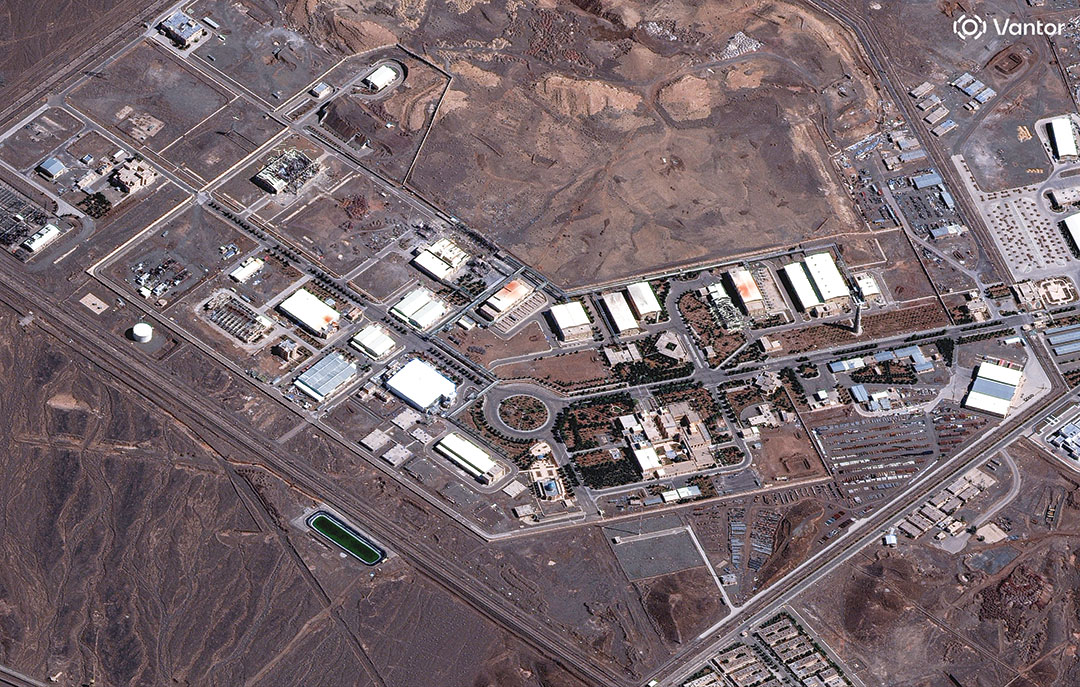
In parallel with this network of proxies, Iran has invested heavily in military capabilities that have generated persistent international concern. Its nuclear program has been a source of tension with the international community for decades, raising fundamental questions about its strategic intentions and regional security. Simultaneously, Iran has developed advanced missile systems and drone technologies that have contributed to shifting the strategic balance in several regional conflicts.
These capabilities have not remained confined within Iran’s borders. Some of these technologies and expertise were even transferred to allied armed terrorist groups in the region, amplifying their reach and enhancing their destabilizing capabilities.
The cumulative result of this approach has been a pattern of regional destabilization that extends beyond individual conflicts. In several instances, Iranian-backed actors have contributed to the weakening of state institutions, the prolongation of civil wars and the deepening of humanitarian crises that have resulted in millions of civilian casualties, waves of displacement and the destruction of entire national economies.
Equally significant are the broader implications for global security. Groups linked to Iran have repeatedly demonstrated their ability to threaten international shipping lanes and global energy infrastructure. Strategic waterways such as the Red Sea, the Bab el-Mandeb strait, the Gulf of Aden and the Strait of Hormuz have all experienced disruptions directly or indirectly linked to Iran’s regional network.
These maritime routes are not merely regional assets; they are vital arteries of the global economy. Any sustained disruption to them has repercussions that extend far beyond the Middle East, harming international trade, energy markets and global security.
For policymakers and analysts alike, the fundamental challenge goes beyond the current war. The deeper issue is addressing a long-term strategic model that combines ideological ambition, proxy wars and the expansion of military capabilities.
Understanding this broader historical trajectory is essential. The instability plaguing the region did not emerge overnight, nor is it the result of a single confrontation. Rather, it is the cumulative outcome of decades of policies that have prioritized ideological expansion and the maximization of strategic influence over regional stability.
Any serious discussion about the future of security in the Middle East must begin with this understanding. Only by recognizing the systemic nature of this challenge can the international community develop a sustainable framework for regional stability and global security.
The current war must be understood within this broader context. It reflects the moment when the consequences of this long-standing strategy could no longer be contained solely through diplomacy or limited deterrence.
For years, the international community has debated how to address the risks posed by Iran’s growing military capabilities and its network of regional militias. However, delaying decisive action carried its own risks.
Had Iran’s policies continued unchecked, the world would have been closer to facing a far more dangerous reality: an Iranian regime possessing nuclear weapons while maintaining a vast network of armed groups across the Middle East. Such a scenario would not only threaten the stability of the region but also pose a profound challenge to global security.
Therefore, the confrontation is not merely another chapter in the region’s conflicts, but rather the culmination of Iran’s destabilizing strategy that has intensified over the decades. The war is a reminder that when countries ignore systemic threats, they often pay the price later in far more perilous circumstances.