

Photos by LEBANESE ARMED FORCES
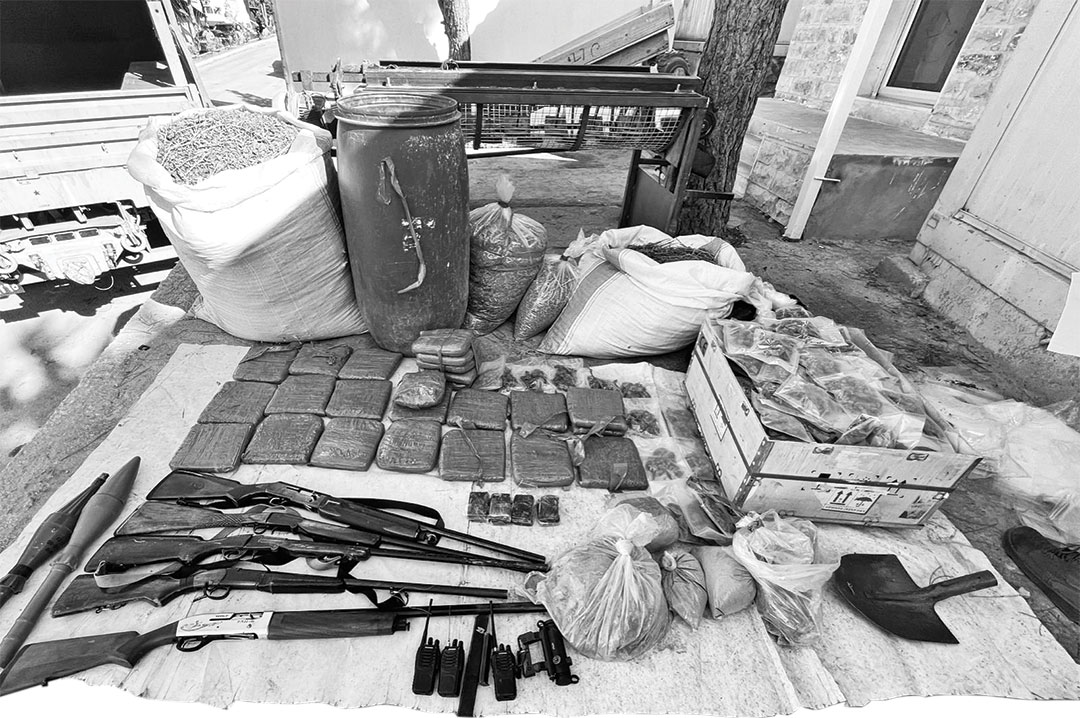
The year 2025 witnessed an unprecedented escalation in the fight against drugs and organized crime in Lebanon. Army units and the Intelligence Directorate successfully carried out large-scale security operations that led to the arrest of drug manufacturers, traffickers, dealers and dangerous fugitives, in addition to dismantling drug manufacturing laboratories and seizing huge quantities of drugs, weapons and ammunition.
The ongoing operations in various regions reflect a comprehensive security strategy based on border control, thwarting smuggling operations, and pursuing criminal networks, thereby consolidating the army’s role as the primary guardian of security and stability and affirming the state’s determination to protect society from this dangerous scourge.
In the most notable of these operations, the Army arrested Noah Zuaiter, one of Lebanon’s most dangerous drug traffickers, who had been wanted for years. His capture came after a meticulous manhunt involving several military units. This represents a significant achievement in the fight against these criminal networks.
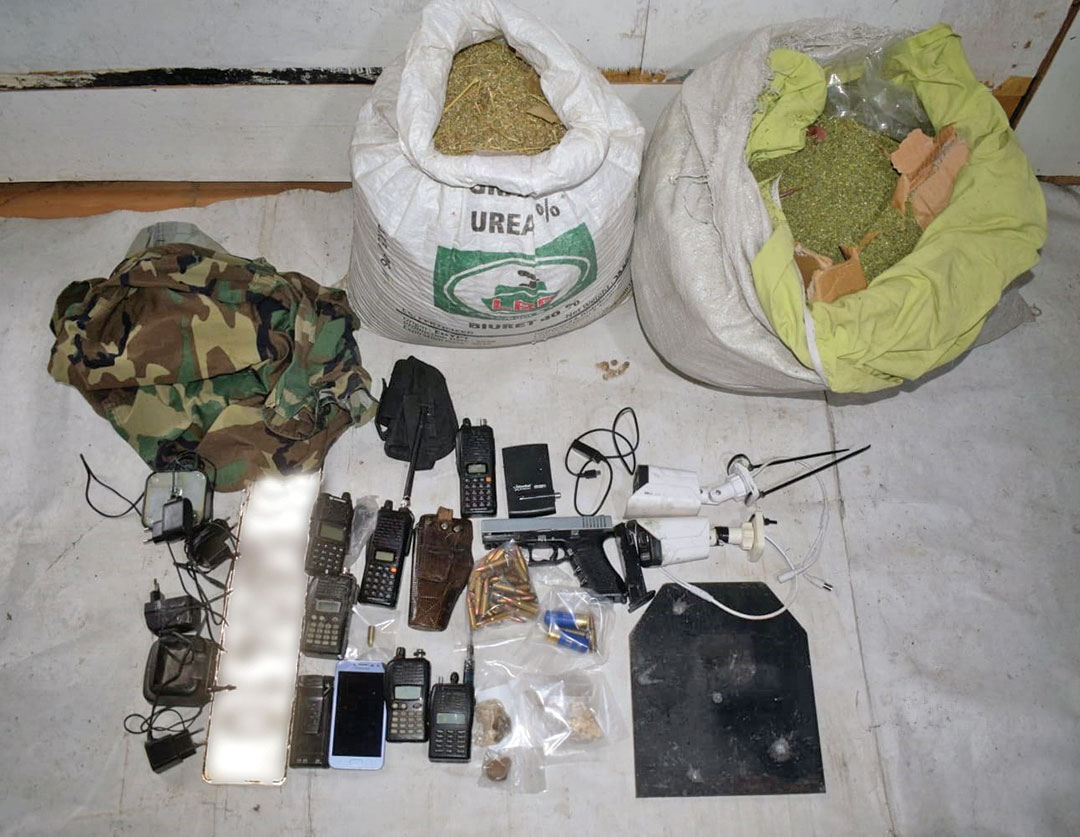
Data released by the Army Command-Directorate of Guidance shows that field operations in 2025 were marked by a notable escalation in targeting drug manufacturing, storage and distribution networks. Raids were concentrated in the Bekaa, the North, the southern suburbs of Beirut, and the Metn region, resulting in the arrest of organized groups and dangerous fugitives, the seizure of weapons and ammunition stores, drug manufacturing equipment, and large quantities of Captagon, hashish and chemicals. Attempts to smuggle large quantities of fuel, food and gas across the eastern and northern borders were also foiled, and dozens of people were arrested for entering Lebanese territory illegally.
Data reveals that military units have intensified their targeting of illegal corridors that were key arteries for the Captagon trade in recent years. Key crossings were closed and the homes of wanted individuals raided in operations that disrupted networks considered to be among the most dangerous in the manufacture and distribution of Captagon, whether in camouflaged labs or specially equipped homes. Machinery and equipment used in production was seized, and tunnels used for storage and smuggling, part of the infrastructure that previously flourished, were destroyed.
Drug traffickers in Lebanon’s Bekaa Valley had regained their influence after the financial and political collapse that hit Lebanon in 2019, taking advantage of the poverty and chronic neglect of the region. With the spread of Captagon trafficking from the Syrian crisis and the coordination of networks on both sides of the border, young people became increasingly involved in this illicit world. Major dealers have gained social and political status, providing services and assistance to people of the region and attempting to portray themselves as “saviors,” while their “statelets” have grown because of huge profits from drug smuggling.
By the Numbers
January 2025 to December 2025
An important dynamic emerged in Captagon manufacturing, as it became clear that the secret of the “recipes” was the exclusive preserve of the major dealers, who kept their formulas to themselves. This lead to the emergence of “adulterated” varieties as new dealers entered the field during the expansion phase. The Army’s investigation of these labs revealed that the manufacture of Captagon requires equipment and raw materials that are legally available, necessitating tighter controls on chemicals, transport tanks and warehouses.
As part of this approach, military intelligence launched a widespread campaign against drug dealers in the Bekaa Valley, raiding and destroying Captagon manufacturing labs. This prompted dealers, who were known for avoiding publicity, to react violently, with raids often ending in clashes. As the net closed in on them, they moved to the rugged border areas, but the Army pursued them there as well, leading to the discovery and arrest of key figures.
At the same time, raids in the southern suburbs of Beirut, in Mount Lebanon governorate and on major roads, led to the arrest of drug dealers and users and gangs of robbers. The seizure of weapons, counterfeit money and stolen electronics in these raids reflected the interdependence of drug trafficking and organized crime.
To adapt to the raids, traffickers resorted to using mobile labs mounted on trucks, forcing the Army to confront a new pattern of camouflage and rapid movement that required tactical development and improved intelligence.
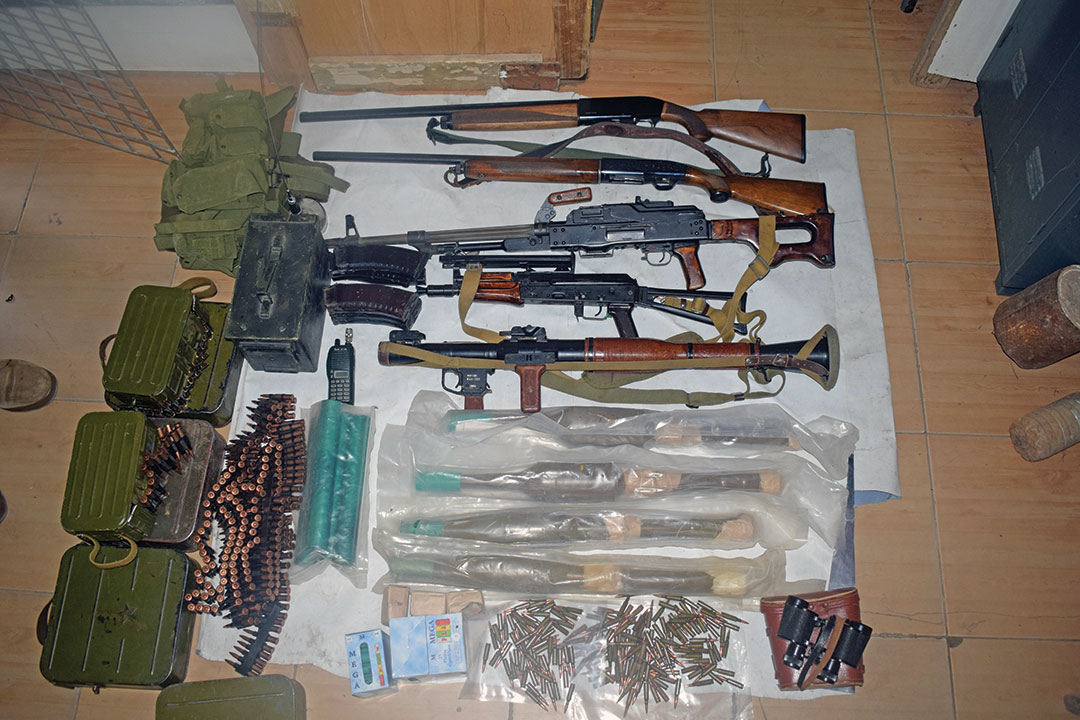
The final tally highlights the complexity of the security challenges faced by military units, whether through the seizure of millions of narcotic pills and barrels of chemicals, the destruction of large areas planted with cannabis, or the arrest of wanted individuals involved in killings, kidnappings and robberies within cross-regional networks.
Throughout the clashes, prominent drug dealers were killed, most notably a crime lord known as Abu Silla, whose targeting marked a turning point in the war on drugs. Abu Silla started as a small dealer and assembled a dangerous distribution network over the years and constructed a complex protection network for himself. Army intelligence, after months of planning and under utmost secrecy, succeeded in closing in on him. He was killed in an Army raid, and his downfall sent a warning to other major criminals. That contributed to dismantling the system of influence that had allowed huge profits during the Syrian war and the economic collapse of Lebanon.
One of the most dangerous fugitives, known as the Hashish Baron, was captured after a carefully planned ambush carried out by a special force in his hometown of Al-Knisa, Baalbek. The detainee had numerous arrest warrants issued against him, including for forming gangs to traffic drugs and weapons and to manufacture narcotics. Other charges against him include armed robbery and theft, kidnapping for ransom, and firing at Soldiers, government buildings and civilian homes.
Many saw Noah Zuaiter’s arrest as a turning point in the fight against Lebanon’s most powerful and complex drug networks, sending a clear message confirming the ability of the state and its agencies to target major players and end their influence.
The results of the operations also revealed links between smuggling networks and gangs involved in kidnapping, car theft, currency counterfeiting and arms trafficking.
The strategy adopted by the military establishment is based on dismantling all three levels of the drug trade: production, storage and smuggling. Continual crackdowns and prosecutions, coupled with the collapse of protection rackets, have contributed to a reduction in their operational capabilities and a decline in the volume of production and smuggling. With this approach, the Army is steadily moving toward redrawing the map of border control, strengthening internal security, and consolidating the state’s ability to curb the spread of this phenomenon, which has long been a direct threat to both society and the state.