

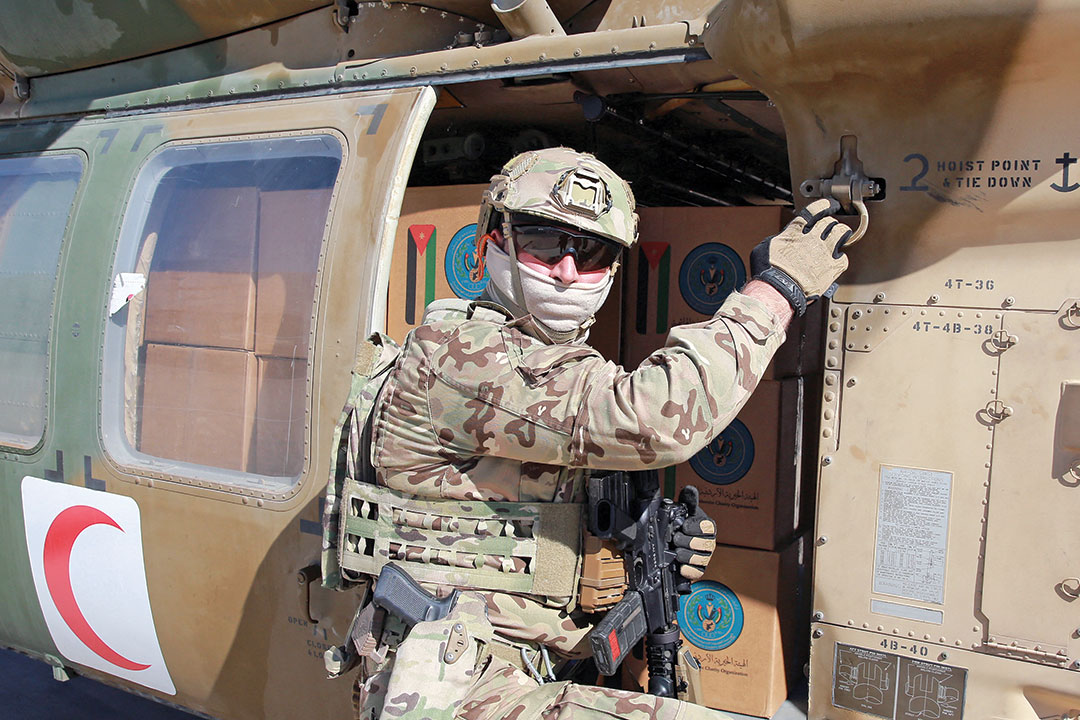
Conflict in one part of our world has consequences for the rest of the world, and a prime example of that is the conflict in Gaza. Thankfully, we achieved a ceasefire, and it required United States President Donald Trump himself to intervene to ensure it was accomplished.
Our priority now is to ensure the ceasefire endures and that the agreement that produced it is fulfilled. The real work begins now. How do we restore security? Unless we have security, we cannot move forward, we cannot have good governance. Ensuring security for both Palestinians and Israelis is the goal of not just the countries of the Middle East but also of Europe and the U.S.
President Trump’s proposal opened the door for ending the catastrophe and moving toward a better future. How do we translate that proposal into action, into plans, into steps, into measures that guarantee security for all?
On November 17, 2025, the United Nations Security Council approved a U.S.-backed plan for an International Stabilization Force (ISF) in Gaza. The ISF would answer to a newly created, so-called Board of Peace chaired by President Trump. We, in Jordan, along with our brothers in Egypt, have said repeatedly that we are ready, willing and able to train Palestinian police and deploy that force.
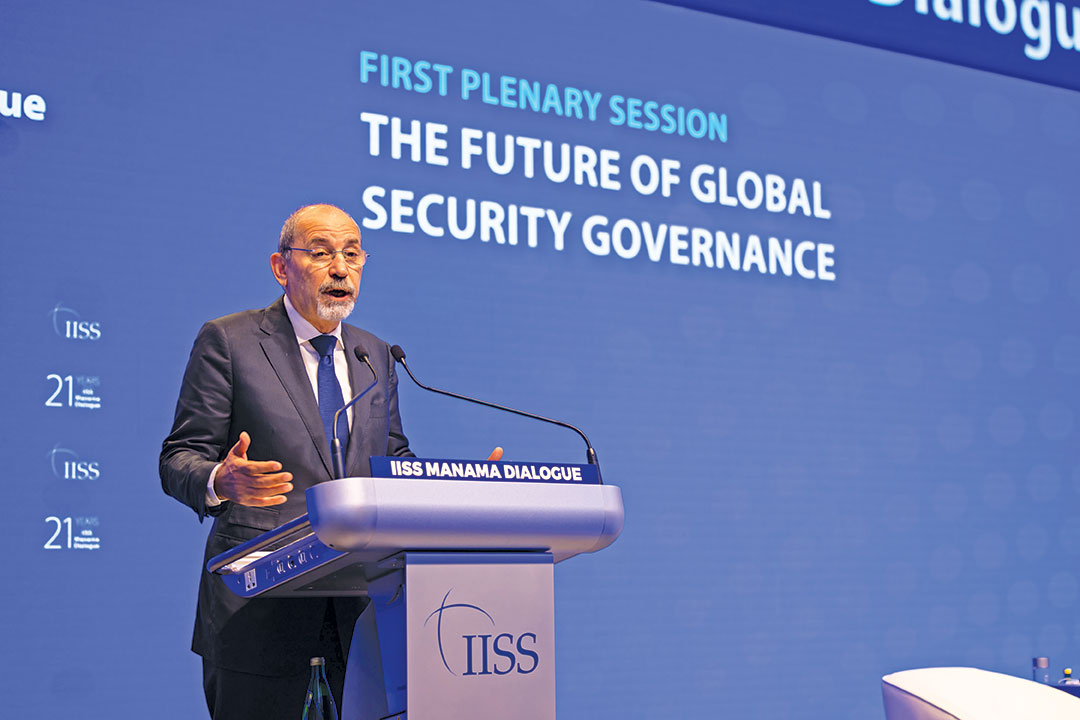
Of course, the elephant in the room is going to be the Israeli presence in Gaza. As of January 2026, Israel remained in about half of Gaza. If Israeli forces stay in Gaza, I think security is going to be a challenge. It is imperative that we have a timeline for the withdrawal of Israeli forces from Gaza.
Here are the immediate steps: We have to deploy the Palestinian police, make sure that we have a clear scope of work for the Palestinian police vis-à-vis the ISF and work out a mechanism for dealing with Israeli troops still in Gaza.
I think it is imperative that we also have a deconfliction mechanism so that we do not have confusion about which forces are responsible for stopping bloodshed and preventing a resurgence of the conflict.
Once we have established security, we need to look at governance. I think it is also imperative that Palestinians are ruled by Palestinians. It will not work to bring people from outside the region to rule Gaza. That is why I think the discussion has focused on an apolitical Palestinian technocratic commission that somehow has to be linked to the Palestinian Authority.
And to realize a path to Palestinian self-determination — one of the aspirations of the ceasefire agreement — Gaza and the West Bank must remain an integral part of the path to Palestinian statehood. That’s a condition for lasting peace.
Hopefully, with a Palestinian commission running affairs in Gaza, an international assistance mission could help the population rebuild a place that has been a battlefield for two years. Civil order has collapsed, there is no security infrastructure, no functioning government, no health services. Gaza must be flooded with aid. After all the suffering, it is incomprehensible that aid should be controversial.
The key to stabilization of Gaza is the West Bank. No matter what we do in Gaza, if the West Bank remains volatile, our good work would be undermined. President Trump was unequivocal when he said he will not allow the annexation of the West Bank. If the West Bank were annexed, there would be no peace.
The hard work of addressing the Gaza and Palestinian issue begins now. Here I must emphasize the role of European countries that historically have been large donors to Palestinians. We are going to need them in the reconstruction process of Gaza, which is going to be enormously expensive. Europe’s role goes beyond providing funds. It is also an important voice for peace in the region.
Another regional hot spot — Syria — has been a success story so far. We must do everything we can to help the Syrian government rebuild the country. Guaranteeing Syrian security, territorial integrity, the safety of its population and representation of all its people is critical. Syrian chaos — and the corresponding woes of terrorism, refugee flight and drug smuggling — benefits no one.
The new government deserves our support. The Syrian government is unequivocally saying it wants to focus on rebuilding its country and does not pose a threat to anybody outside its territory. Meddling in its internal affairs must stop.
Regional governments and their global partners must unite to ensure that neither Syrians nor Palestinians fail in their progress toward enduring peace and stability.